25 Easy Refrigerator Pickle Recipes You’ll Want to Make Again and Again
Do you crave that satisfying crunch of a perfectly brined snack? You can easily master the art of creating delicious, tangy vegetables right in your own kitchen. You do not need complex canning equipment to enjoy these treats.
Our guide features 25 distinct varieties that cater to every taste preference. From classic dill to bold, spicy heat, you will find the perfect flavor profile for your next gathering. These refrigerator pickle recipes allow you to transform simple pantry staples into gourmet snacks in minutes.

By following these straightforward methods, you will build confidence in your culinary skills. You will always have a jar of fresh, crisp vegetables ready to serve to your family and friends. Discover how these easy refrigerator pickle recipes make home preservation accessible and fun for everyone.
Key Takeaways
- Learn to create crunchy snacks without using specialized canning tools.
- Explore 25 unique flavor combinations ranging from mild to spicy.
- Save time with simple preparation methods that yield immediate results.
- Build confidence in your kitchen skills through repeatable, reliable techniques.
- Keep your pantry stocked with fresh, tangy vegetables for any occasion.
The Basics of Making Refrigerator Pickle Recipes
If you want to enjoy crunchy vegetables year-round, understanding the quick pickling method is your first step. Creating homemade refrigerator pickles is a straightforward process that relies on a simple vinegar-based brine to preserve your favorite produce. By mastering these techniques, you can experiment with various flavors and spices to suit your personal taste.
Understanding the Quick Pickling Process
The core of any successful batch lies in the balance of your brine. You typically combine vinegar, water, salt, and sugar to create an acidic environment that prevents spoilage. This quick pickling process does not require complex fermentation or specialized equipment, making it perfect for beginners.
Once you pour the hot or cold brine over your vegetables, the jar goes directly into the fridge. The cold temperature slows down the pickling action while keeping the vegetables firm. This is why quick pickle recipes are so popular for those who value speed and convenience.
Why Refrigerator Pickles Differ from Canned Pickles
Many people confuse refrigerator pickles with traditional canned versions, but the methods are quite different. Canned pickles undergo a high-heat water bath process to ensure shelf stability at room temperature. Unfortunately, this heat often softens the vegetables, leading to a less desirable texture.
In contrast, homemade refrigerator pickles skip the boiling water bath entirely. Because they stay chilled, they retain a satisfying, crisp bite that is difficult to achieve with canning. Refer to the table below to see how these two methods compare for your next kitchen project.
| Feature | Refrigerator Pickles | Canned Pickles |
|---|---|---|
| Processing Method | Cold Brine/Fridge | Heat Water Bath |
| Texture | Very Crisp | Softened |
| Storage | Refrigerator Only | Pantry/Shelf |
| Preparation Time | Fast | Time-Intensive |
Essential Equipment and Ingredients for Success
Preparing your own jars of crunchy vegetables is a rewarding process when you start with the correct supplies. By focusing on high-quality components, you ensure that your homemade pickles turn out perfectly every single time. A little preparation goes a long way in achieving professional results in your own kitchen.
Choosing the Right Jars and Lids
The foundation of any successful project begins with your storage containers. You should always select glass jars that feature tight-fitting lids to prevent any leaks during the chilling process. These containers are essential for maintaining the integrity of your easy homemade pickles while they sit in the refrigerator.
Avoid using containers with damaged rims or rusted lids, as these can compromise the seal. Clean, wide-mouth glass jars are often the best choice because they allow for easier packing of your vegetables. Ensuring your equipment is clean and sturdy is the first step toward consistent success.
Selecting Fresh Produce for Crisp Results
The quality of your vegetables directly impacts the final crunch of your homemade pickles. Always choose the freshest produce available at your local market or garden. Firm, unblemished cucumbers or vegetables will hold their texture much better than those that have started to soften.
If you are picking your own produce, try to process it as soon as possible after harvest. This freshness is the secret to achieving that satisfying snap in every bite. Remember that even the best recipe cannot compensate for vegetables that have lost their crispness.
The Role of Vinegar, Salt, and Sugar
Understanding the chemistry of your brine is vital for mastering no canning pickle recipes. Vinegar provides the necessary acidity to preserve your vegetables and adds a signature tang. Meanwhile, salt acts as a flavor enhancer and helps maintain the structural integrity of the produce.
Sugar is often used to balance the sharpness of the vinegar, creating a more complex flavor profile. You can adjust these ratios to suit your personal taste preferences, making your no canning pickle recipes truly unique. Balancing these three elements is the key to creating delicious, safe, and easy homemade pickles that you will want to make again and again.
Classic Refrigerator Dill Pickle Variations
Exploring the world of refrigerator dill pickles opens up a universe of tangy, crunchy possibilities for your kitchen. These recipes rely on fresh ingredients and a simple brine to deliver that satisfying snap you crave. Whether you are a beginner or a seasoned home cook, these variations provide the perfect foundation for your pickling journey.
Traditional Garlic Dill Spears
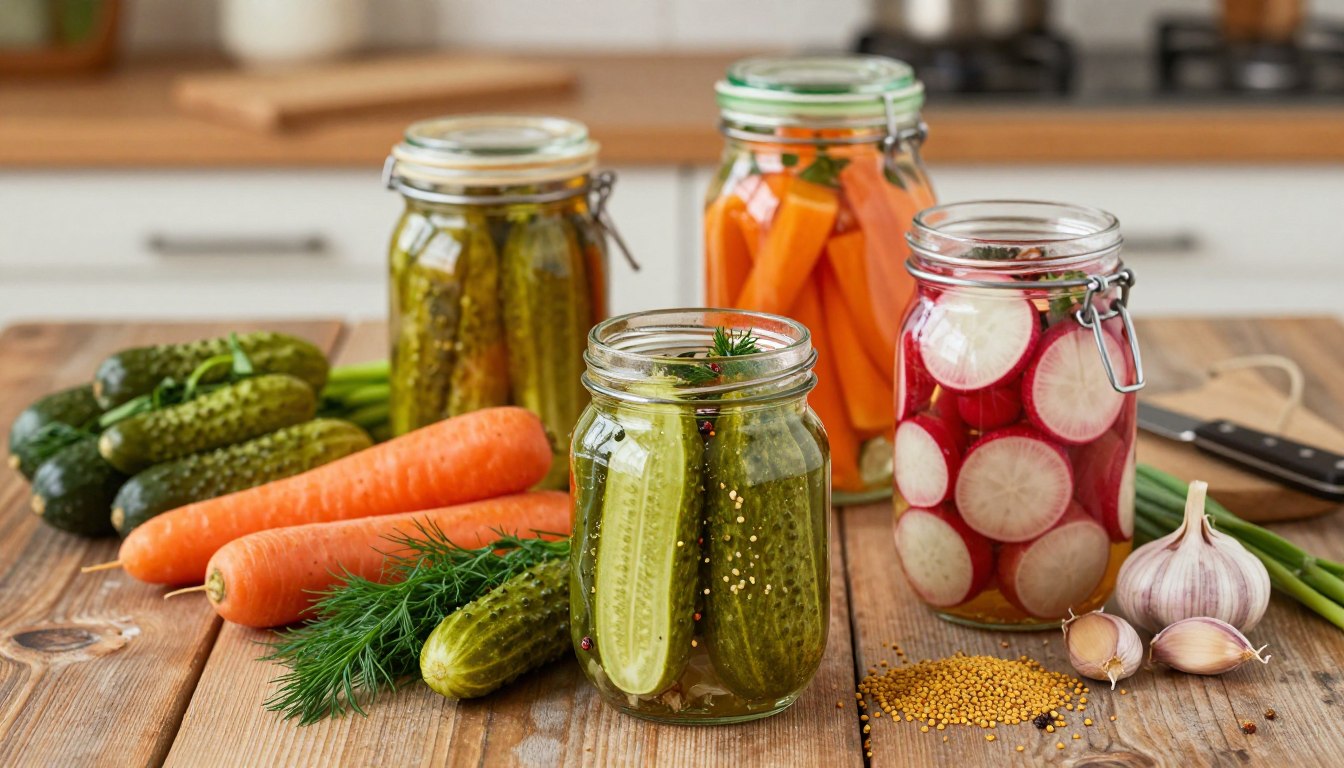
For those who love a bold punch of flavor, the classic spear is the gold standard. By slicing your cucumbers into long, sturdy wedges, you ensure they stay crisp during the brining process. Adding plenty of fresh garlic cloves creates the iconic garlic dill pickles that pair perfectly with any sandwich.
Fresh Herb and Peppercorn Dill Chips
If you prefer a thinner crunch, try slicing your cucumbers into rounds. Adding fresh sprigs of dill and whole black peppercorns infuses the brine with a vibrant, aromatic quality. These chips are ideal for topping burgers or adding a zesty kick to your favorite salads.
Mustard Seed and Celery Salt Dill Rounds
You can easily customize your refrigerator cucumber pickles by experimenting with dry spices. Mustard seeds provide a subtle, earthy heat, while celery salt adds a savory depth that mimics professional deli flavors. This combination is a must-try for anyone looking to elevate their snack game.
Classic Deli-Style Kosher Dill Pickles
Achieving that authentic deli taste at home is simpler than you might think. The secret lies in using a balanced brine with just the right amount of salt and fresh dill heads. These pickles offer a clean, refreshing taste that stands out as a delicious, standalone snack.
Bread and Butter Style Dill Slices
While often associated with sweetness, the bread and butter style can be adapted to include a strong dill profile. By balancing sugar with vinegar and mustard seeds, you create a complex flavor that is both tangy and slightly sweet. These slices are a versatile addition to your pantry, perfect for adding a unique twist to your refrigerator cucumber pickle collection.
Sweet and Tangy Refrigerator Pickle Recipes
If you crave a balance of sugary notes and sharp acidity, these recipes are for you. Creating sweet refrigerator pickles allows you to transform standard cucumbers into delightful treats with minimal effort. By using natural sweeteners, you can achieve complex flavor profiles that elevate your easy homemade pickles to a gourmet level.

Classic Sweet Bread and Butter Pickles
This timeless recipe relies on a blend of white sugar and apple cider vinegar. Thinly sliced cucumbers and onions soak in the brine to create that signature crunch. It remains a staple for anyone looking for a nostalgic, tangy snack.
Honey-Infused Sweet Cucumber Rounds
Honey adds a floral depth that pairs beautifully with fresh dill and mustard seeds. This version is perfect if you prefer a natural sweetness that does not overpower the vegetable. Simply whisk the honey into warm vinegar until fully dissolved before pouring it over your cucumber rounds.
Cinnamon and Clove Spiced Sweet Pickles
For a unique twist, introduce warm spices like cinnamon sticks and whole cloves to your brine. These aromatic additions create a sophisticated flavor profile that stands out on any charcuterie board. The result is a bold, sweet, and spicy experience that lingers on the palate.
Maple Syrup Sweetened Pickle Chips
Using pure maple syrup provides a rich, earthy sweetness that works wonders with crisp cucumber chips. This easy homemade pickle method is incredibly fast, requiring only a few minutes of prep time. The syrup creates a glossy, delicious brine that you will want to use again and again.
Turmeric and Onion Sweet Pickles
Turmeric adds a vibrant golden hue and a subtle, earthy undertone to your jars. When combined with thinly sliced sweet onions, it creates a savory and sweet harmony. These pickles are excellent additions to sandwiches or burgers, providing a bright pop of color and flavor.
Spicy and Bold Quick Pickle Creations
For those who crave intensity, these spicy creations transform simple cucumbers into something extraordinary. By balancing the searing heat of fresh peppers with the sharp acidity of your brine, you can craft quick pickle recipes that pack a serious punch. These bold flavors are perfect for adding a zesty kick to sandwiches, burgers, or simply enjoying as a fiery snack.
Habanero and Garlic Fire Pickles
If you want maximum heat, the habanero is your best friend. Slice these peppers thinly and layer them with whole garlic cloves to infuse the brine with a deep, lingering spice. The natural sweetness of the habanero pairs beautifully with the tangy vinegar base.
Jalapeño Infused Spicy Dill Spears
This classic variation takes traditional garlic dill pickles and elevates them with fresh jalapeño slices. Simply pack your spears tightly into a jar and tuck the pepper slices between them. The longer they sit in the refrigerator, the more the heat will permeate the cucumber flesh.
Red Pepper Flake and Chili Oil Pickles
For a different kind of heat, try using dried red pepper flakes combined with a teaspoon of high-quality chili oil. This method creates a complex, smoky flavor profile that coats the pickles in a vibrant, spicy sheen. It is an excellent way to add depth to your favorite snack.
Sriracha-Spiked Spicy Cucumber Rounds
Adding a generous squeeze of Sriracha directly into your brine creates refrigerator cucumber pickles with a unique, garlicky heat. This method ensures that every bite is coated in a savory, spicy sauce. It is a modern twist that appeals to anyone who loves a bit of Asian-inspired flair.
Horseradish and Black Pepper Zesty Pickles
If you prefer a sharp, sinus-clearing heat, look no further than fresh horseradish. Grate it finely and add it to your jar along with plenty of cracked black peppercorns. These spicy refrigerator pickles offer a sophisticated, pungent bite that stands out on any charcuterie board.
When working with hot peppers, it is important to keep safety in mind to ensure a pleasant experience. Follow these simple tips to protect yourself while preparing your spicy batches:
- Wear gloves when handling habaneros or jalapeños to avoid skin irritation.
- Avoid touching your eyes or face until you have thoroughly washed your hands.
- Start with a small amount of spice and adjust to your personal heat tolerance.
- Use fresh, firm peppers to ensure the best texture in your final product.
Unique Vegetable Pickling Ideas
If you want to add a pop of color and flavor to your meals, look no further than these unique vegetable pickling ideas. While cucumbers are the traditional choice, many other garden vegetables shine when preserved in a tangy brine. By applying the same basic principles, you can create quick refrigerator pickles that elevate any dish from boring to brilliant.
Pickled Red Onions for Tacos
Pickled red onions are a staple for anyone who loves vibrant, zesty toppings. They provide a sharp, acidic crunch that cuts through the richness of meats in tacos or carnitas. Simply slice them thin and submerge them in a warm vinegar-sugar brine for a few hours before serving.
Crunchy Pickled Carrots with Dill
Carrots are perfect for pickling because they maintain a satisfying snap even after days in the fridge. Adding fresh dill and a few garlic cloves creates a classic flavor profile that pairs well with sandwiches. These pickled vegetables are a healthy snack option that you can prepare in minutes.
Tangy Pickled Green Beans
Green beans, often called “dilly beans,” are a fantastic addition to any charcuterie board. Their long, slender shape makes them easy to grab and enjoy as a standalone appetizer. You will find that their natural sweetness balances perfectly with a brine featuring mustard seeds and black peppercorns.
Quick Pickled Radishes
If you are looking for a beautiful pink hue on your plate, look no further than radishes. These quick refrigerator pickles offer a peppery bite that mellows out beautifully during the pickling process. They add a sophisticated touch to salads and grain bowls.
Spicy Pickled Cauliflower Florets
For those who crave heat, cauliflower is an excellent vessel for bold flavors. By adding sliced habaneros or red pepper flakes, you can craft spicy refrigerator pickles that pack a serious punch. The florets absorb the brine deeply, ensuring every bite is infused with tangy, fiery goodness.
| Vegetable | Primary Texture | Best Flavor Profile | Pickling Time |
|---|---|---|---|
| Red Onions | Crisp/Soft | Sweet & Tangy | 2 Hours |
| Carrots | Very Crunchy | Herbal/Dill | 24 Hours |
| Green Beans | Snap | Garlic/Mustard | 48 Hours |
| Cauliflower | Firm | Spicy/Bold | 48 Hours |
Mastering the Perfect Pickle Brine Recipe
The secret to a truly memorable pickle is hidden within the composition of your brine. While the vegetables provide the crunch, the liquid mixture determines the final flavor profile of your refrigerator pickle recipes. Understanding how to manipulate these ingredients allows you to create custom batches that suit your specific cravings.
Balancing Acidity and Salinity
A successful pickle brine recipe relies on the precise interaction between vinegar and salt. Vinegar provides the necessary acidity to preserve the vegetables and deliver that signature tang. You should generally aim for a ratio that keeps the mixture sharp but not overwhelming to the palate.
Salt is equally important, as it draws out moisture and enhances the natural flavors of the produce. Proper salinity ensures that your pickles remain crisp and safe to consume throughout their shelf life. Always use non-iodized salt, such as kosher or sea salt, to prevent the brine from becoming cloudy.
Infusing Flavors with Whole Spices
Once you have established your base, you can introduce depth by adding whole spices. Using whole ingredients rather than ground powders keeps your brine clear and prevents a gritty texture. Common additions include mustard seeds, black peppercorns, and coriander seeds.
You might also consider adding bay leaves or fresh garlic cloves to provide a robust aromatic foundation. These spices slowly release their oils into the liquid, creating a complex flavor profile that develops over time. Experimenting with these combinations is the best way to find your signature style.
Adjusting Sweetness Levels for Your Palate
If you prefer sweet refrigerator pickles, you can easily adjust the sugar content to match your preferences. Start by dissolving granulated sugar or honey into the warm vinegar mixture before pouring it over your vegetables. You can start with a small amount and taste the brine to ensure it hits the right balance of sweet and sour.
Remember that the sweetness will mellow slightly as the pickles sit in the refrigerator. If you want a more pronounced sugary finish, do not be afraid to increase the ratio of sweetener to vinegar. This flexibility is exactly what makes homemade pickling such a rewarding culinary project.
Tips for Achieving Maximum Crunch
Achieving that perfect, audible crunch in your homemade pickles is easier than you might think. When you prepare your own vegetables, maintaining a firm texture is the hallmark of crispy pickles that rival any store-bought brand.

The Importance of Ice Water Baths
Before you begin the pickling process, consider giving your cucumbers a cold shock. Soaking your fresh produce in an ice water bath for at least one hour helps to firm up the cell walls. This simple step ensures that your refrigerator dill pickles maintain their structural integrity even after being submerged in brine.
Removing Blossom Ends to Prevent Softness
Many home cooks overlook the blossom end of the cucumber, but it contains enzymes that can lead to mushy results. You should always trim about 1/16th of an inch off the blossom end of each cucumber before packing your jars. By removing this specific part, you effectively eliminate the primary cause of premature softening during the pickling process.
Using Tannin-Rich Leaves for Crispness
If you want to take your preservation game to the next level, try adding natural tannins to your jars. Placing a clean grape leaf, oak leaf, or even a black tea bag into the jar provides natural tannins that help keep your vegetables firm. These additions are a traditional secret for ensuring your refrigerator dill pickles remain exceptionally crispy pickles throughout their entire shelf life.
Storage and Shelf Life Guidelines
You can extend the life of your crunchy creations by following a few simple storage rules. Proper storage is vital for maintaining the quality and safety of your homemade refrigerator pickles once they are prepared.
Proper Refrigeration Techniques
Always place your jars in the coldest part of your refrigerator immediately after the brine cools to room temperature. Avoid storing them in the door, as the temperature fluctuates every time you open it.
Keeping the jars on a middle or bottom shelf ensures a consistent temperature. This stability is the key to preserving that signature crunch you worked so hard to achieve.
How Long Do Homemade Pickles Last
Most homemade pickles will maintain their best quality for about three to four weeks when kept properly chilled. While they may remain safe to eat for a bit longer, the texture often begins to soften after the first month.
For the best results, try to consume your batches within this window. If you find yourself with too many jars, consider sharing them with friends to ensure they are enjoyed at their peak.
Signs That Your Pickles Have Expired
It is important to trust your senses when checking the condition of your homemade pickles. If you notice any unusual mold on the surface or around the lid, discard the entire jar immediately.
A cloudy brine is sometimes normal, but a sudden change in smell or a slimy texture on the vegetables indicates spoilage. When in doubt, it is always safer to toss the batch rather than risk your health.
By following these storage guidelines, you can confidently enjoy your homemade refrigerator pickles for weeks after the initial preparation. Keeping a close eye on your jars ensures every snack is as safe as it is delicious.
Troubleshooting Common Homemade Pickle Issues
Even the most seasoned home cooks occasionally run into hurdles when preparing jars of pickles. Whether you are experimenting with new spices or sticking to your favorite no canning pickle recipes, minor setbacks can happen. Understanding how to identify and correct these issues will help you gain confidence in your kitchen skills.
Why Your Pickles Might Become Soft
The most common complaint among home picklers is a lack of crunch. If you find your vegetables losing their snap, the culprit is often the temperature of your ingredients or the preparation of the produce. Always ensure your cucumbers are fresh and firm before you begin the process.
To achieve consistently crispy pickles, you should always remove the blossom end of the cucumber. This end contains enzymes that can break down the cell walls of the vegetable, leading to a mushy texture. Additionally, soaking your cucumbers in an ice water bath for at least an hour before pickling can significantly improve their final crunch.
Fixing Cloudy Brine Concerns
Seeing a cloudy liquid in your jar can be alarming, but it is not always a sign of spoilage. In many cases, cloudiness is simply caused by the minerals in your water or the release of starch from the vegetables. If the brine smells fresh and the lid is sealed, the pickles are likely safe to eat.
However, if the brine becomes thick, slimy, or develops an off-putting odor, you should discard the batch immediately. Using distilled water instead of tap water can often prevent mineral-based cloudiness. Always keep your workspace clean to ensure your no canning pickle recipes remain safe and delicious.
Adjusting Flavor Profiles After Pickling
Sometimes, your initial pickle brine recipe might not hit the exact flavor notes you desire after the first few days of resting. Fortunately, you can still make adjustments to the taste. If the pickles are too salty, you can drain a portion of the brine and replace it with a mixture of water and a touch of sugar.
If you find the flavor is too mild, feel free to add fresh aromatics like crushed garlic, extra peppercorns, or a dash of red pepper flakes directly into the jar. Allow the jar to sit in the refrigerator for another 24 hours to let these new flavors meld. Patience is key when you are refining your signature pickle style.
Conclusion
Crafting your own snacks at home offers a simple way to enjoy fresh flavors throughout the year. You now possess the skills to transform basic produce into vibrant, crunchy treats that elevate any meal.
Mastering the art of brining and seasoning allows you to customize every jar to your specific palate. These pickled vegetables serve as the perfect addition to sandwiches, salads, or charcuterie boards.
Experimenting with these recipes encourages you to explore new flavor combinations using ingredients like Ball jars or Morton salt. Your kitchen becomes a creative space where you control the quality and intensity of every bite.
Keep your pantry stocked with these homemade delights to ensure you always have a healthy snack ready. Share your favorite creations with friends and family to spread the joy of artisan food preparation.
The best pickled vegetables are the ones you create yourself. Grab your favorite spices and start your next batch of delicious, crunchy snacks right now.
FAQ
What exactly are refrigerator pickles, and how do they differ from traditional canned pickles?
Unlike traditional canning methods that require a high-heat water bath for shelf stability, refrigerator pickles are made by submerging fresh vegetables in a vinegar-based brine and storing them directly in the cold. Because they skip the heat process, these no canning pickle recipes result in a much firmer, more crispy pickle compared to their soft, shelf-stable counterparts. This makes them one of the most popular quick pickle recipes for home cooks who want immediate results.
Which type of cucumber is best for making homemade refrigerator pickles?
For the best results, you should look for Kirby or Persian cucumbers. These varieties have thinner skins and fewer seeds, making them ideal for soaking up your pickle brine recipe while maintaining a satisfying snap. Avoid the large, waxy English cucumbers often found at stores like Whole Foods if you want that classic deli-style crunch found in premium refrigerator cucumber pickles.
How long do easy homemade pickles need to sit before they are ready to eat?
While you can technically eat quick refrigerator pickles in as little as 24 hours, the flavor truly develops after about 48 to 72 hours. Allowing your garlic dill pickles or sweet refrigerator pickles to marinate for a few days ensures the vinegar, salt, and aromatics fully infuse the vegetables for a well-rounded taste.
Why is it important to remove the blossom end of the cucumber during the preparation?
The blossom end of a cucumber contains enzymes that can cause the vegetable to soften prematurely. By slicing off about 1/16th of an inch from the tip, you help ensure your homemade pickles stay firm and crunchy throughout their shelf life. This is a crucial step in all easy refrigerator pickle recipes to maintain that professional quality.
Can I use these techniques for other pickled vegetables besides cucumbers?
Absolutely! The beauty of homemade pickles is the versatility. You can use these same techniques on various produce, such as red onions, carrots, green beans, radishes, and cauliflower florets. Using a spicy refrigerator pickles brine is a fantastic way to add a zesty kick to these alternative pickled vegetables for tacos or charcuterie boards.
What is the secret to a perfectly balanced pickle brine recipe?
A successful brine is all about the ratio of acidity to salinity. Generally, a 1:1 ratio of water to vinegar (such as Heinz Distilled White Vinegar or Bragg Apple Cider Vinegar) works best. You can then adjust the sweetness with sugar or honey and add depth with whole spices like McCormick mustard seeds or peppercorns to create signature refrigerator dill pickles.
How long do homemade refrigerator pickles last in the fridge?
When stored in airtight glass jars like Ball or Kerr mason jars, your homemade refrigerator pickles will typically stay fresh and delicious for 4 to 6 weeks. Always keep the vegetables fully submerged in the brine to prevent spoilage and maintain the best texture.
Is it normal for the brine in my quick pickle recipes to look cloudy?
While cloudy brine can sometimes indicate spoilage, it is often just a result of using certain spices or non-iodized salts like Morton Coarse Kosher Salt. If the pickles smell fresh and have been kept refrigerated properly, they are likely safe. However, if you notice a persistent off-odor, mold, or slime, it is best to discard them and start a new batch of easy homemade pickles.