Healthy Kids Snacks That Kids Will Actually Love
Finding the right food for your little ones is a daily challenge. You want options that provide lasting energy without sacrificing flavor or quality.
The secret lies in balancing convenience with nutritious ingredients. When you prioritize both taste and texture, you turn mealtime into a positive experience that supports growth.

Table of Contents
Selecting wholesome bites helps your family stay active throughout the day. By focusing on simple, delicious choices, you can easily provide healthy kids’ snacks that everyone will enjoy.
Key Takeaways
- Prioritize whole foods to boost daily energy levels.
- Balance flavor and texture to ensure children enjoy their food.
- Focus on convenience without compromising on nutritional quality.
- Create positive associations with eating to support healthy development.
- Use simple, fresh ingredients to make preparation easier for busy parents.
Understanding the Nutritional Needs of Growing Children
Every bite your child takes serves as a building block for their physical and cognitive growth. Providing healthy snacks for children is not just about satisfying hunger; it is about fueling the rapid development occurring in their bodies every single day.
Balancing Macronutrients for Sustained Energy
To keep your child active and focused, you must balance the three primary macronutrients: proteins, healthy fats, and complex carbohydrates. Proteins act as the essential building blocks for muscle repair and growth, while healthy fats support vital brain development.
Complex carbohydrates provide the steady fuel necessary to prevent energy crashes. By combining these elements in healthy children’s snacks, you ensure that your child maintains stable blood sugar levels throughout their busy afternoon.
The Importance of Fiber and Vitamins in Snack Time
Beyond macronutrients, your child requires a steady intake of fiber and essential vitamins to thrive. Fiber is crucial for digestive health and helps keep your child feeling full between meals. It also plays a significant role in regulating how the body absorbs sugar.
Vitamins and minerals act as the spark plugs for your child’s immune system and overall metabolic function. Incorporating a variety of colorful fruits and vegetables into healthy children’s snacks ensures they receive the micronutrients needed for long-term wellness and robust immune support.
Strategies for Selecting Healthy Kids’ Snacks
Finding healthy kids’ snacks is much easier when you know exactly what to look for on the shelves. Navigating the grocery store can feel like a maze, but you can master the aisles with a few simple habits. By becoming a more informed shopper, you ensure that your children receive the best fuel for their busy days.
Reading Labels to Avoid Hidden Sugars
Many items marketed for children contain surprising amounts of added sweeteners. You should always check the ingredient list for names like high fructose corn syrup, cane juice, or maltodextrin. These ingredients often hide in products that seem nutritious at first glance.
Always pay attention to the serving size listed on the package. A snack might look low in sugar, but that number often applies to a tiny portion that your child is unlikely to eat in one sitting. Being diligent with labels helps you identify truly healthy kids snacks that support your family’s wellness goals.
Prioritizing Whole Foods Over Processed Alternatives
The most effective strategy for better nutrition is to focus on whole, single-ingredient foods. When you choose items like fresh fruit, raw nuts, or plain yogurt, you avoid the additives found in highly processed snacks. These foods provide essential vitamins and minerals without the extra fillers.
If a product has a long list of unpronounceable ingredients, it is usually best to leave it on the shelf. Prioritizing whole foods ensures that your children get the highest quality nutrients available. Making this simple shift is a powerful way to provide healthy kids’ snacks that taste great and provide lasting energy.
Fruit-Based Treats That Feel Like Dessert
Satisfying a sweet tooth does not always require processed sugar when you have nature’s candy at your fingertips. By focusing on the vibrant, natural sugars found in fresh produce, you can provide healthy treats for kids that feel like a special indulgence. These options are not only delicious but also packed with essential nutrients that support your child’s growth.
Creative Ways to Serve Fresh Berries and Melons
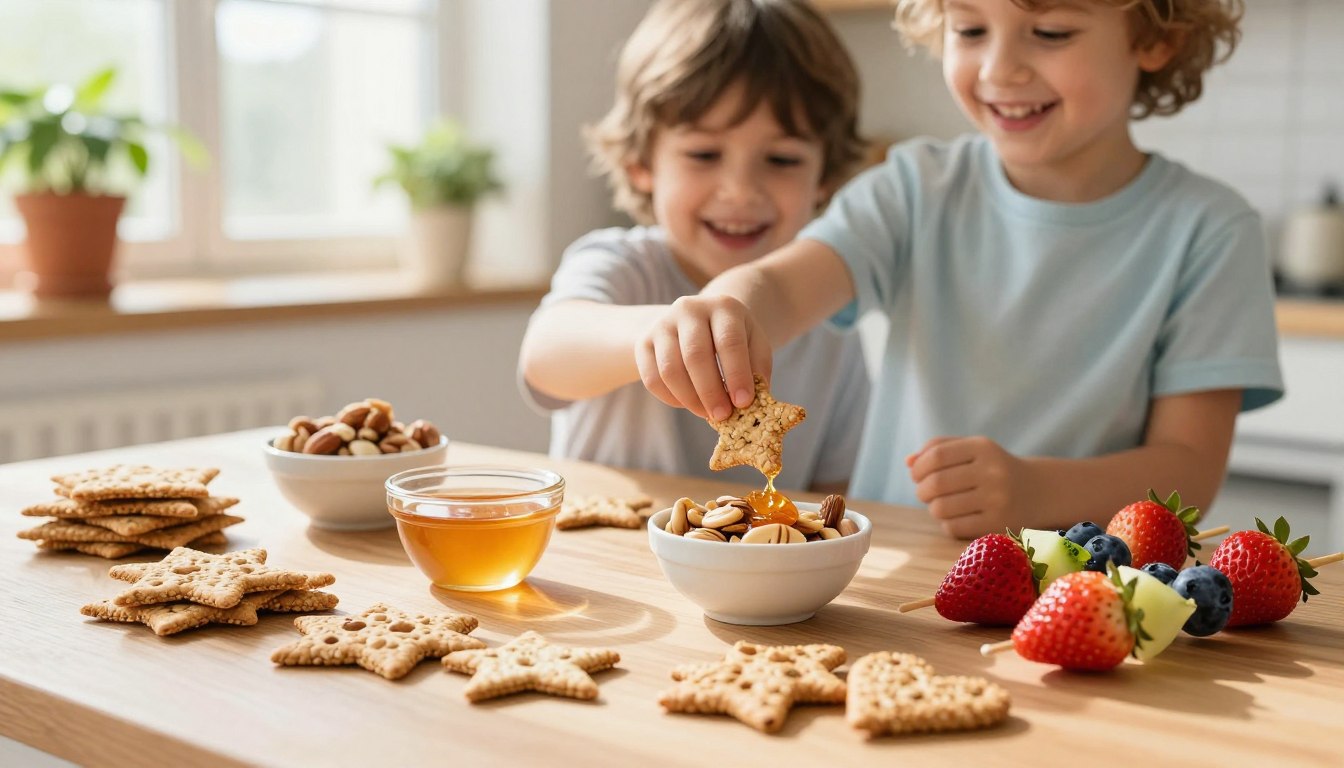
Presentation is often the secret to making fruit feel like a fun dessert. Try threading colorful berries onto food-safe skewers to create fruit kabobs that are easy for little hands to hold. You can also use small cookie cutters to transform slices of watermelon or cantaloupe into stars, hearts, and other playful shapes.
Another refreshing idea involves freezing grapes or blueberries for a texture that mimics a chilled sorbet. These bite-sized snacks are perfect for warm afternoons and offer a satisfying crunch. Serving these fruits in decorative bowls or alongside a small dollop of Greek yogurt can elevate the experience even further.
Making Homemade Fruit Leather Without Added Sweeteners
Store-bought fruit snacks often contain hidden sugars and artificial dyes that you might want to avoid. Crafting your own fruit leather at home is a simple process that allows you to control every ingredient. You only need fresh fruit, a blender, and a low-temperature oven or dehydrator to create these healthy treats for kids.
Start by pureeing your favorite fruits, such as strawberries, peaches, or apples, until the mixture is completely smooth. Spread the puree thinly onto a parchment-lined baking sheet and bake at a very low temperature until it is no longer sticky to the touch. Once cooled, you can cut the sheet into strips and roll them up for a delicious, chewy snack that is entirely free of added sweeteners.
Vegetable Pairings That Kids Will Actually Eat
You can transform the way your children view vegetables by changing how you serve them. Many parents struggle to incorporate greens into daily routines, but the right approach makes all the difference. By focusing on flavor and texture, you can turn these nutritious items into healthy kids snacks that your family will genuinely enjoy.

The Power of Dips: Hummus, Guacamole, and Yogurt
Dips are a fantastic way to make raw vegetables feel like an interactive treat. When you provide a flavorful dip, you turn a plain carrot stick into a fun, hands-on experience. Hummus offers a creamy, savory base that pairs perfectly with bell pepper strips or cucumber slices.
Guacamole is another excellent choice, providing healthy fats that keep children satisfied longer. If your kids prefer something slightly sweet or tangy, try a Greek yogurt-based dip mixed with fresh herbs. These simple additions make healthy kids’ snacks much more appealing to picky eaters who might otherwise avoid raw produce.
Roasting Vegetables for a Crunchy Texture
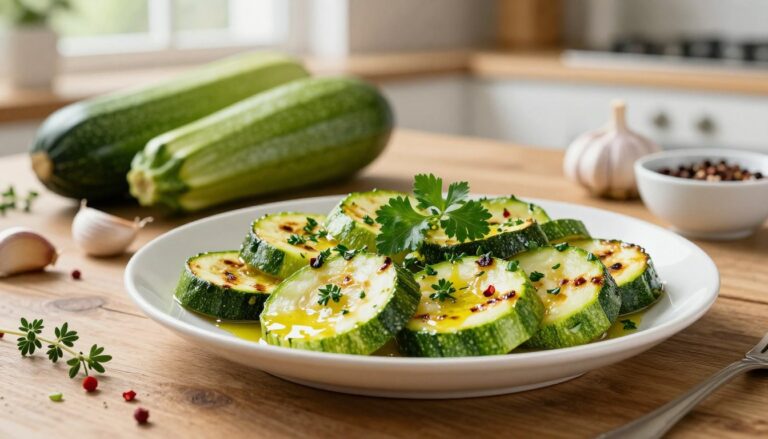
If your children crave the satisfying crunch of traditional chips, roasting is your best solution. High-heat roasting caramelizes the natural sugars in vegetables, creating a deliciously crispy exterior that mimics processed snacks. You can easily achieve this texture with broccoli florets, cauliflower, or even thinly sliced zucchini.
Simply toss your chosen vegetables in a light coating of olive oil and a pinch of sea salt before placing them in the oven. The result is a warm, crunchy bite that serves as one of the most effective healthy kids’ snacks for busy afternoons. Once you master this technique, you will find that your children reach for these roasted delights just as often as they reach for store-bought alternatives.
Protein-Packed Bites for Active Afternoons
You can easily support your child’s muscle recovery and focus by choosing the right protein-rich snacks. Active children require consistent protein intake to maintain their energy levels during busy afternoons. Finding the best snacks for kids often means looking for simple, nutrient-dense options that keep them satisfied until dinner.
Hard-Boiled Eggs and Cheese Pairings
Hard-boiled eggs are a fantastic, portable source of high-quality protein. You can prepare a batch at the start of the week to save time during hectic afternoons. Pairing these eggs with a slice of cheddar or a mozzarella stick creates a balanced bite that children truly enjoy.
These combinations provide a steady release of energy, which is essential for homework or after-school sports. Cheese pairings add a savory element that makes these snacks feel like a treat. They are among the best snacks for kids because they require minimal preparation and offer great nutritional value.
Nut Butter Delights and Seed-Based Options
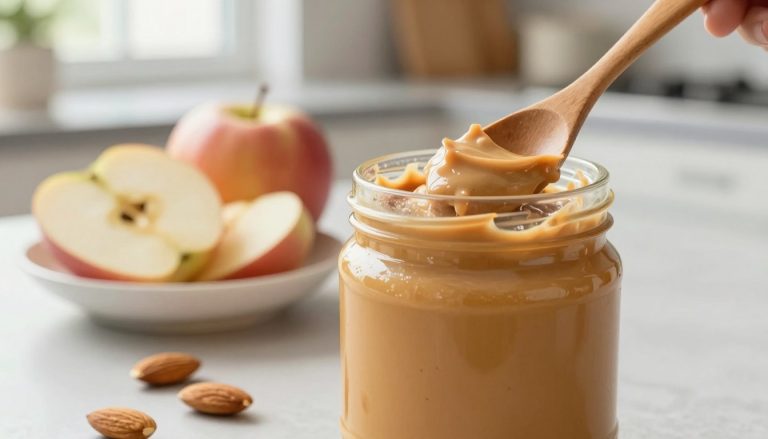
Nut butters are another versatile way to incorporate protein and healthy fats into your child’s diet. Spreading almond or peanut butter onto apple slices or celery sticks adds a satisfying crunch. This simple combination is a perfect way to bridge the gap between lunch and dinner.
If you need nut-free alternatives for school, seed-based options like sunflower seed butter are excellent choices. You can also mix pumpkin or chia seeds into yogurt for an extra boost of nutrients. These protein-packed bites are some of the best snacks for kids who need sustained fuel for their active lifestyles.
Whole Grain Snacks for Long-Lasting Fuel
When it comes to finding the best snacks for kids, whole grains are a nutritional powerhouse. Unlike refined carbohydrates that cause quick spikes and crashes in blood sugar, whole grains provide a steady release of energy. This makes them an ideal choice for keeping children satisfied and focused between meals.

Choosing the Right Crackers and Rice Cakes
Not all packaged crackers are created equal, so it is vital to check the ingredient list carefully. Look for products where the first ingredient is a whole grain, such as whole wheat, brown rice, or oats. Avoid options that list enriched flour or added sugars high up on the label.
Opting for brown rice cakes or whole-grain crackers ensures your child gets essential fiber. These items serve as the best snacks for kids when paired with a healthy fat or protein, like avocado or nut butter. This combination helps maintain satiety for much longer than a plain cracker would.
Homemade Oatmeal Bars and Energy Bites
Store-bought granola bars are often loaded with hidden syrups and artificial sweeteners. By making your own oatmeal bars at home, you control exactly what goes into your child’s body. You can easily mix rolled oats with mashed bananas, chia seeds, and a touch of cinnamon for a wholesome treat.
Energy bites are another fantastic option that requires no baking at all. Simply roll together oats, nut butter, and a small amount of honey or maple syrup to create a delicious, nutrient-dense snack. These bites are perfect for busy afternoons and represent some of the best snacks for kids who need a quick, healthy boost.
Healthy Snacks for Kids to Make
You can transform snack time into a fun learning experience by inviting your little ones to help prepare their own food. Involving children in the kitchen is a fantastic way to encourage them to try new, nutritious ingredients while building their confidence. Finding healthy snacks for kids to make is easier than you might think when you focus on simple, safe activities.
Simple Kitchen Tasks for Toddlers and Preschoolers
Even the youngest helpers can contribute to the process of creating delicious treats. Toddlers are often eager to mimic adult behaviors, so providing them with safe, age-appropriate tools is key. You might start by having them wash fresh fruits or tear lettuce leaves for a salad.
Preschoolers can handle slightly more complex tasks like stirring yogurt dips or assembling fruit skewers. Always supervise these activities closely to ensure safety while maintaining a positive environment. When you provide clear instructions, you help them master basic culinary skills that last a lifetime.
“Cooking with children is not just about the food; it is about the memories you create and the life skills you instill in them every single day.”
Building Independence Through Snack Preparation
Allowing your children to choose between two or three pre-approved options helps them feel in control of their nutrition. This sense of autonomy is a powerful tool for developing a healthy relationship with food. When kids feel like they have contributed to the final product, they are far more likely to enjoy eating it.
By consistently offering opportunities to participate, you turn the kitchen into a classroom. This practice makes finding healthy snacks for kids a regular part of your family routine. Use the following guide to determine which tasks are best suited for your child’s current developmental stage.
| Age Group | Task Type | Example Activity |
|---|---|---|
| Toddlers (2-3) | Sensory & Motor | Washing fruit or tearing greens |
| Preschoolers (4-5) | Mixing & Measuring | Stirring dips or measuring dry oats |
| Early School Age (6+) | Assembly & Prep | Spreading nut butter or slicing soft fruit |
Ultimately, your goal is to foster a positive connection with food through active participation. As your children grow, their ability to handle more complex healthy snacks for kids to make will increase. Celebrate their efforts and enjoy the delicious results of your teamwork together.
Managing Portion Sizes and Snack Timing
Establishing a consistent rhythm for snacks helps ensure your kids come to the table ready to eat. When you provide healthy children’s snacks at predictable times, you help regulate your child’s metabolism and appetite. This structure prevents the common struggle of a child refusing dinner because they filled up on treats too close to the main meal.
Preventing Snack Time from Ruining Dinner
The secret to a successful dinner is maintaining a proper buffer between the last snack and the evening meal. Aim to serve snacks at least two hours before dinner begins. This window allows your child’s body to process the nutrients and naturally build a healthy appetite for the next course.
Keep portions modest to ensure they serve as a bridge rather than a meal replacement. You might consider these strategies to keep things balanced:
- Offer a small serving of protein or fiber to keep them satisfied without overfilling.
- Avoid high-calorie drinks or heavy snacks right before the dinner hour.
- Use a small plate or bowl to visually signal that the snack is a light bite.
“The goal of a snack is to sustain energy, not to replace the essential nutrition found in a balanced family dinner.”
Recognizing Hunger Cues Versus Boredom
It is vital to help your children distinguish between genuine physical hunger and the habit of snacking out of boredom. Often, kids reach for food when they are tired, frustrated, or simply looking for a distraction from their current activity. You can teach them to listen to their bodies by asking simple questions before offering a snack.
Encourage your child to identify if their stomach is actually growling or if they are just seeking entertainment. If they are not hungry enough to eat a piece of fruit or a vegetable, they are likely not experiencing true hunger. Mindful eating starts with these small, intentional conversations about how their body feels throughout the day.
By consistently offering healthy children’s snacks only when they are truly hungry, you empower them to develop a healthier relationship with food. This approach reduces emotional eating and ensures that every bite they take serves a nutritional purpose.
Best Snacks for Kids on the Go
Life moves fast, but your commitment to providing healthy snacks for kids does not have to slow down. When you are constantly rushing between school, sports, and errands, having the right food choices is essential for maintaining your child’s energy levels. You can easily balance convenience with nutrition by selecting items that are easy to transport and enjoy anywhere.
Portable Options for School and Sports
For days filled with activity, focus on items that do not require refrigeration or complex preparation. Dry snacks like roasted chickpeas, trail mix with seeds, or whole-grain crackers are perfect for throwing into a backpack. These healthy kids snacks provide a steady release of energy, which is vital for young athletes during long practice sessions.
Consider individual portions of dried fruit or seaweed snacks for a quick, mess-free boost. These items are lightweight and durable, making them ideal for busy afternoons. Always keep a small stash of these non-perishable items in your car or gym bag to avoid the temptation of vending machine alternatives.
Keeping Snacks Fresh in Lunchboxes
When you need to pack perishable items like yogurt, cheese, or fresh fruit slices, temperature control is your best friend. Using high-quality insulated lunch bags paired with slim ice packs ensures that your healthy kids’ snacks remain safe and appetizing until break time. You should also choose leak-proof containers to prevent spills and keep textures crisp.
Proper food storage is the secret to maintaining the nutritional integrity and flavor of fresh snacks throughout the school day.
— Nutritionist Daily
To maximize freshness, try freezing a small water bottle or a juice box to act as an additional ice pack. By the time your child is ready for their snack, the drink will be perfectly thawed and refreshing. This simple trick helps you maintain a cool environment inside the lunchbox without taking up extra space.
| Snack Type | Best For | Storage Tip |
|---|---|---|
| Roasted Chickpeas | Sports Practice | Airtight Container |
| String Cheese | School Lunch | Use an ice pack |
| Apple Slices | Car Rides | Lemon Juice Dip |
| Trail Mix | Hiking/Outdoors | Resealable Bag |
Common Pitfalls to Avoid When Choosing Healthy Treats for Kids
Navigating the grocery store aisles can feel like a minefield when you are searching for healthy treats for kids. Many colorful packages promise nutritional benefits that simply do not exist upon closer inspection. You must remain vigilant to ensure that the snacks you bring home truly support your child’s well-being.
Navigating Marketing Claims on Packaging
Food companies often use clever buzzwords to grab your attention. Terms like “natural,” “all-natural,” or “low-fat” are frequently plastered on the front of boxes to imply health. However, these labels are often unregulated and do not guarantee that the product is a nutritious choice.
Always flip the package over to read the actual ingredient list. You might find that a snack labeled as “natural” is still packed with high-fructose corn syrup or artificial dyes. Prioritizing the ingredient list over the front-of-box marketing is the best way to find healthy treats for kids.
Avoiding the Trap of “Health Halo” Foods
The “health halo” effect occurs when a product is perceived as healthy because of one positive attribute, such as being gluten-free or organic. This perception often blinds parents to the high sugar or sodium content hidden within the item. Just because a cookie is organic does not mean it is a balanced snack for your child.
It is essential to look at the total nutritional profile rather than focusing on a single claim. By staying skeptical of branding, you can avoid these common traps and make better choices for your family. Use the following table to help distinguish between marketing fluff and nutritional reality.
| Marketing Claim | What to Look For | Reality Check |
|---|---|---|
| “Made with Real Fruit” | Fruit juice concentrate | Often contains added sugars |
| “Low-Fat” | High sugar content | Flavor is often replaced by sweeteners |
| “Natural” | Artificial additives | No strict legal definition |
| “Good Source of Fiber” | Added fiber isolates | Whole grains are superior |
Conclusion
Providing nutritious snacks is a manageable and rewarding way to support your child’s growth and daily energy levels. You hold the power to shape their food preferences by choosing whole foods and staying mindful of nutritional labels.
Involving your children in the kitchen turns meal preparation into a fun learning experience. This hands-on approach builds confidence and encourages them to try new ingredients. You create a sustainable routine that benefits the entire family when you prioritize fresh, simple options.
Brands like Annie’s Homegrown or Clif Kid offer convenient choices when you need quick solutions. You can feel good about these selections while maintaining a focus on balanced nutrition. Your efforts today lay the foundation for a lifetime of positive health choices.
We hope these strategies empower you to make confident decisions that your children will genuinely enjoy every single day. Start small by trying one new recipe this week. Share your favorite snack combinations with other parents to keep the inspiration flowing.
FAQ
What are the best snacks for kids to provide sustained energy throughout the school day?
The best snacks for kids are those that balance complex carbohydrates with protein and healthy fats. For example, pairing Stonyfield Organic yogurt with fresh blueberries or offering Lundberg Family Farms brown rice cakes topped with Justin’s Almond Butter ensures your child receives steady energy rather than a quick sugar spike and subsequent crash. This combination helps maintain focus during classroom hours and physical activities.
How can I prepare healthy treats for kids that satisfy a sweet tooth?
You can create delicious healthy treats for kids by utilizing the natural sweetness of whole fruits. Try making homemade fruit leather using pureed organic strawberries and a hint of lemon, or serve frozen watermelon wedges for a refreshing, popsicle-like experience. While brands like Bear fruit rolls offer a convenient store-bought alternative, making them at home ensures you avoid all artificial additives and extra sweeteners.
What are some easy and healthy snacks for kids to make themselves?
Some of the most engaging healthy snacks for kids to make include “ants on a log” using celery, SunButter (a great nut-free option), and raisins, or simple energy bites. Involving your children in the kitchen by letting them stir Quaker Oats into a bowl with honey and seeds helps them develop independence and a positive relationship with nutritious food from a young age.
How can I spot hidden sugars when shopping for healthy kids’ snacks?
To find truly healthy kids’ snacks, you must look beyond the front-of-package marketing. Flip the container to read the ingredient list for terms like high fructose corn syrup, maltodextrin, or evaporated cane juice. Choosing whole-food options, such as Applegate string cheese or fresh vegetables with Sabra hummus, is a much more reliable way to avoid the hidden sugars often found in processed “fruit” snacks and bars.
What are the most effective healthy children’s snacks for picky eaters?
For children who resist greens, the best healthy children’s snacks often involve an interactive dip or a “crunch” factor. Roasting cauliflower or chickpeas in the oven until they are crispy can mimic the texture of traditional chips. Additionally, offering Wholly Guacamole or a Greek yogurt-based dip can make raw carrots and cucumbers significantly more appealing to a hesitant palate.
How do I prevent snacking from ruining my child’s appetite for dinner?
Proper timing and portion control are essential for managing healthy kids’ snacks. Aim to serve snacks at least two hours before a main meal and keep the portions small enough to satisfy immediate hunger without making them feel full. Teaching your child to distinguish between genuine physical hunger and snacking out of boredom helps them arrive at the dinner table with a healthy appetite.
Are there portable healthy treats for kids that won’t spoil in a lunchbox?
When looking for portable healthy treats for kids, focus on shelf-stable whole foods. Items like Wonderful Pistachios, whole apples, or GoGo squeeZ applesauce pouches are excellent for on-the-go nutrition. For perishable items like hard-boiled eggs or cheese, using an insulated lunchbox with a reusable PackIt ice gel pack will keep the snacks fresh and safe until it is time to eat.
How do I avoid the “health halo” trap when selecting healthy children’s snacks?
The “health halo” occurs when marketing terms like “natural,” “gluten-free,” or “organic” make a product seem healthier than it is. To find the best healthy children’s snacks, always check the fiber and protein content. A “natural” fruit snack may still be primarily sugar; however, choosing a whole-grain cracker like Mary’s Gone Crackers provides actual nutritional value that supports your child’s growth and development.