Can Diabetics Eat Peanut Butter? Benefits, Risks & Tips :2026
Table of Contents
Managing your daily menu is often a challenge when you have blood sugar concerns. You likely search for flavorful options that will not cause your levels to rise too quickly. Selecting the right snacks allows you to enjoy your favorite treats while staying on track with your wellness goals.

A natural nut cream provides a great source of plant-based protein and healthy fats. These elements are vital for keeping you satisfied between meals and preventing hunger pangs. Most health-conscious people look for nutrient-dense snacks that offer steady energy without any unnecessary additives or chemicals.
It is important to check labels for hidden sugars or oils that might impact your health progress. By picking organic or simple varieties, you turn a common pantry staple into a beneficial part of your routine. Using smart portion control ensures you receive the most value from every single serving you consume.
Key Takeaways
- Natural legume spreads provide high levels of dietary fiber.
- Plant protein helps in maintaining steady energy throughout the afternoon.
- Avoid products with added sweeteners, syrups, or hydrogenated oils.
- Portion control is essential for balancing your daily caloric intake.
- Consult a healthcare professional for personalized advice on your meal plan.
Understanding the Nutritional Profile of Peanut Butter
For individuals managing diabetes, knowing the nutritional profile of peanut butter can help in making informed dietary choices. Peanut butter is a complex food that contains a variety of nutrients that can impact blood sugar levels and overall health.
Macronutrient Breakdown: Fats, Proteins, and Carbohydrates
Peanut butter is primarily composed of fats, with a high content of monounsaturated and polyunsaturated fats, which are considered healthier fats. These fats can help in managing cholesterol levels and improving heart health, a significant consideration for diabetics who are at a higher risk of heart disease.
A 2-tablespoon serving of peanut butter typically contains around 16 grams of fat, 8 grams of protein, and 6-8 grams of carbohydrates. The protein content can contribute to a feeling of fullness, which can be beneficial for weight management.

The Role of Fiber in Glycemic Control
Peanut butter contains a notable amount of dietary fiber, with approximately 2 grams per 2-tablespoon serving. Fiber plays a crucial role in glycemic control by slowing down the absorption of sugar into the bloodstream, thereby preventing sudden spikes in blood glucose levels.
- Fiber helps in maintaining a stable glycemic index.
- It contributes to a feeling of satiety, aiding in weight management.
- A diet rich in fiber can improve overall digestive health.
Vitamins and Minerals Found in Peanuts
Peanut butter is a good source of several essential vitamins and minerals, including vitamin E, magnesium, and potassium. Vitamin E acts as an antioxidant, protecting cells from damage and supporting overall health. Magnesium and potassium are important for heart health and can help in managing blood pressure.
Some of the key vitamins and minerals found in peanut butter include:
| Vitamin/Mineral | Amount per 2 tbsp | Health Benefit |
|---|---|---|
| Vitamin E | 2.2 mg | Antioxidant properties |
| Magnesium | 50 mg | Heart health, muscle function |
| Potassium | 200 mg | Blood pressure management |
Can Diabetics Eat Peanut Butter Safely?
The question of whether diabetics can safely consume peanut butter is a common concern among those managing the condition. Peanut butter is a nutrient-rich spread made from peanuts, containing healthy fats, protein, and fiber. Understanding its impact on blood sugar levels and insulin sensitivity is crucial for diabetics considering adding it to their diet.
The Glycemic Index and Glycemic Load of Peanut Butter
Peanut butter has a low glycemic index (GI), which is a measure of how quickly foods raise blood sugar levels. The GI of peanut butter is relatively low because it is rich in healthy fats and protein, which slow down the digestion and absorption of its carbohydrates. The glycemic load (GL) of peanut butter is also low due to its minimal carbohydrate content. This makes peanut butter a potentially safe choice for diabetics when consumed in moderation.
To put this into perspective, here’s a comparison of the glycemic index and load of peanut butter with other common foods:
| Food | Glycemic Index (GI) | Glycemic Load (GL) |
|---|---|---|
| Peanut Butter | 14 | 1 |
| White Bread | 70 | 10 |
| Apple | 38 | 6 |
Impact on Insulin Sensitivity
Research suggests that the monounsaturated and polyunsaturated fats in peanut butter may have a beneficial effect on insulin sensitivity. Improved insulin sensitivity means that the body’s cells are better able to use insulin, thereby managing blood glucose levels more effectively. A study published in the Journal of Nutrition found that consuming peanuts and peanut butter regularly was associated with a lower risk of developing type 2 diabetes.

Incorporating peanut butter into a balanced diet may offer diabetics a nutritious and satisfying way to manage their condition, provided they are mindful of portion sizes and overall dietary context.
Health Benefits of Peanut Butter for Diabetics
Peanut butter is not just a tasty addition to your meals; it also offers numerous health benefits for diabetics. When consumed in moderation, peanut butter can be a valuable part of a diabetic diet due to its nutrient-rich profile.
Heart Health and Monounsaturated Fats
One of the significant health benefits of peanut butter for diabetics is its positive impact on heart health. Peanut butter is rich in monounsaturated fats, which are known to help lower LDL (bad) cholesterol levels and reduce the risk of heart disease. Heart health is particularly important for diabetics, as they are at a higher risk of developing cardiovascular complications.
Satiety and Weight Management Benefits
Peanut butter is also beneficial for weight management due to its high satiety effect. The combination of protein, healthy fats, and fiber in peanut butter helps keep you feeling fuller for longer, reducing the likelihood of overeating or snacking on less healthy options. This can be particularly helpful for diabetics who are managing their weight as part of their diabetes care plan.
Antioxidant Properties of Peanuts
Peanuts, the primary ingredient in peanut butter, are rich in antioxidants, including vitamin E and other polyphenols. These antioxidants help protect against oxidative stress and inflammation in the body, which can be beneficial for overall health and may help mitigate some of the complications associated with diabetes.
Potential Risks and Considerations
As you consider adding peanut butter to your meal plan, it’s crucial to understand the potential downsides, especially if you have diabetes. While peanut butter can be a nutritious addition to a diabetic diet, there are several factors to be aware of to ensure it doesn’t negatively impact your health.
The Danger of Added Sugars and Sweeteners
One of the primary concerns with peanut butter is the presence of added sugars and sweeteners in many commercial brands. These additives can significantly increase the carbohydrate content of peanut butter, potentially leading to spikes in blood glucose levels. When selecting a peanut butter, it’s essential to choose a brand with no added sugars or sweeteners.
Hidden Trans Fats in Processed Brands
Another risk associated with some peanut butter brands is the presence of hidden trans fats. These unhealthy fats can be found in processed peanut butters that contain partially hydrogenated oils. Trans fats not only raise bad cholesterol levels but also lower good cholesterol, increasing the risk of heart disease—a particular concern for diabetics who are already at a higher risk for cardiovascular issues.
Caloric Density and Portion Control
Peanut butter is also high in calories due to its high fat content. While the fats in peanut butter are primarily healthy monounsaturated and polyunsaturated fats, consuming them in excess can lead to weight gain. For diabetics, maintaining a healthy weight is crucial for managing blood sugar levels and overall health. Therefore, portion control is key when enjoying peanut butter.
To put this into perspective, here’s a comparison of the nutritional content of different peanut butter brands:
| Brand | Sugar Content (g) | Trans Fat (g) | Calories per Serving |
|---|---|---|---|
| Brand A (Natural) | 2 | 0 | 190 |
| Brand B (Processed) | 4 | 0.5 | 200 |
| Brand C (Low-Sugar) | 1 | 0 | 180 |
By being mindful of these factors and choosing a natural, low-sugar peanut butter, you can enjoy the benefits of peanut butter while minimizing its risks. Moderating your peanut butter intake and being aware of the ingredients in your chosen brand are crucial steps in incorporating it into a diabetic-friendly diet.
How to Choose the Best Peanut Butter for Diabetics
Diabetics can enjoy peanut butter as part of a balanced diet if they choose the right type. The key is to select a peanut butter that is low in added sugars, free from harmful additives, and rich in nutrients.
Identifying Low-Sugar Peanut Butter Brands
When shopping for peanut butter, it’s essential to read the labels carefully. Look for brands that explicitly state they are low in sugar or have no added sugars. Some popular brands that offer low-sugar options include:
- Justin’s
- Adam’s Natural Peanut Butter
- Santa Cruz Organic Peanut Butter
These brands offer a range of products that are not only delicious but also suitable for diabetics.
Reading Labels: What Ingredients to Avoid
To make an informed decision, you need to know what to look for on the label. Avoid peanut butters that contain:
- Added sugars like honey, maple syrup, or high-fructose corn syrup
- Hydrogenated oils that contain trans fats
- Excessive salt
Always check the ingredient list and opt for peanut butter with minimal ingredients. The fewer the ingredients, the better.
Natural vs. Conventional Peanut Butter
Natural peanut butter and conventional peanut butter differ significantly in terms of ingredients and nutritional content. Natural peanut butter typically contains just peanuts and maybe some salt, whereas conventional peanut butter may include added sugars, hydrogenated oils, and other additives.
| Characteristics | Natural Peanut Butter | Conventional Peanut Butter |
|---|---|---|
| Ingredients | Peanuts, Salt | Peanuts, Sugar, Hydrogenated Oils, Salt |
| Sugar Content | Low | Variable, often high |
| Preservatives | No | Yes, in some brands |
For diabetics, natural peanut butter is generally the better choice due to its lower sugar content and fewer additives.
Managing Blood Sugar with Peanut Butter
Managing blood sugar with peanut butter involves understanding how to balance its nutritional benefits with potential risks. You can enjoy peanut butter while keeping your glucose levels stable by making a few strategic decisions about how and when you consume it.
Pairing Peanut Butter with Low-Glycemic Foods
One effective way to manage your blood sugar levels when eating peanut butter is to pair it with low-glycemic foods. Low-glycemic foods release glucose slowly into your bloodstream, preventing sudden spikes in blood sugar. For example, you can spread peanut butter on whole-grain bread or eat it with fruits like apples or bananas. The fiber in these foods helps slow down the digestion of peanut butter, thereby moderating its impact on your blood sugar.
Timing Your Intake for Stable Glucose Levels
The timing of your peanut butter intake can also play a crucial role in managing your blood sugar levels. Consuming peanut butter as part of a balanced meal or snack can help regulate the release of glucose into your bloodstream. For instance, having peanut butter with a meal that includes complex carbohydrates and lean protein can help stabilize your blood sugar levels. Additionally, eating peanut butter in the morning or as an afternoon snack can provide sustained energy and help prevent overeating later in the day.
Monitoring Your Personal Glycemic Response
It’s essential to monitor your personal glycemic response to peanut butter to understand how it affects your blood sugar levels. You can do this by checking your blood glucose levels before and after consuming peanut butter. Keeping a food diary can also help you track any changes in your blood sugar levels and identify patterns. By being mindful of how your body responds to peanut butter, you can adjust your consumption accordingly to maintain stable glucose levels.
Tip: Always choose natural peanut butter that is low in added sugars and hydrogenated oils to maximize its health benefits.
Incorporating Peanut Butter into a Diabetic Diet
For individuals managing diabetes, peanut butter is not just a tasty spread but a versatile ingredient that can enhance various meals. When consumed in moderation, it can be a valuable addition to a diabetic diet, providing healthy fats, protein, and fiber.
Creative Breakfast Ideas for Diabetics
Starting your day with a nutritious breakfast is crucial for managing blood sugar levels. Here are some creative ways to incorporate peanut butter into your morning meal:
- Peanut Butter Oatmeal: Add a spoonful of peanut butter to your oatmeal for a boost of protein and healthy fats.
- Peanut Butter Banana Toast: Spread peanut butter on whole-grain toast and top with sliced banana for a balanced mix of carbohydrates, protein, and fiber.
- Peanut Butter Smoothie: Blend peanut butter with Greek yogurt, spinach, and a small banana for a nutrient-packed breakfast smoothie.
Healthy Bedtime Snacks for Diabetics
Choosing the right bedtime snack can help maintain stable blood glucose levels throughout the night. Consider these peanut butter-based snacks:
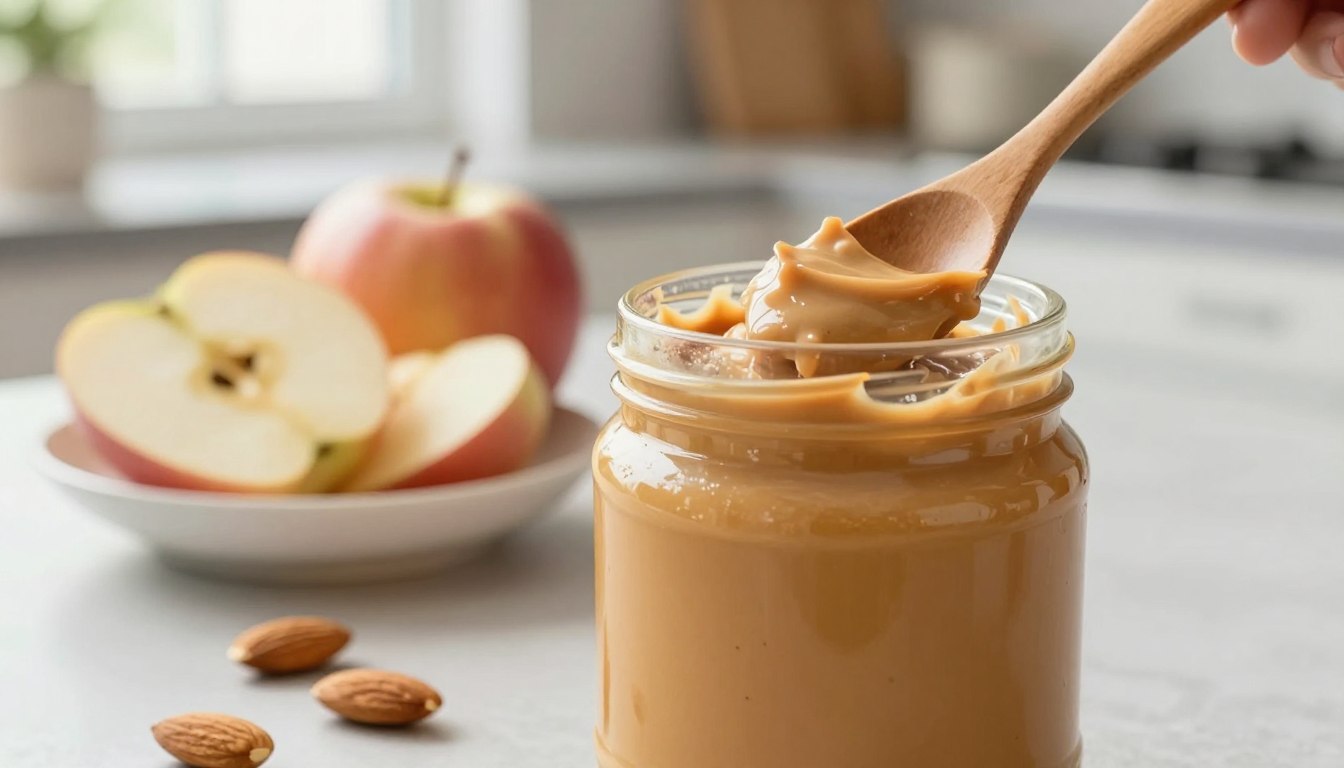
- Apple Slices with Peanut Butter: A classic combination that pairs the fiber in apples with the healthy fats in peanut butter.
- Peanut Butter and Celery Sticks: A satisfying snack that’s low in carbohydrates and rich in fiber and healthy fats.
- Cottage Cheese with Peanut Butter: Mixing peanut butter with cottage cheese provides a good source of protein to help keep you full until morning.
Using Peanut Butter in Savory Cooking
Peanut butter isn’t just for sweet dishes; it can also be a key ingredient in savory recipes, adding depth and richness. Here are some ideas:
- Thai-Style Peanut Sauce: Blend peanut butter with soy sauce, lime juice, and chili flakes for a delicious sauce to serve with noodles or as a dip.
- African-Inspired Stews: Use peanut butter to thicken and enrich stews made with chicken, beef, or vegetables.
- Satay Marinade: Mix peanut butter with coconut milk, garlic, and ginger for a marinade that’s perfect for grilled chicken or tofu.
By incorporating peanut butter into your diabetic diet in these creative ways, you can enjoy its nutritional benefits while adding variety to your meals.
Comparing Peanut Butter to Other Diabetic-Friendly Snacks
If you’re living with diabetes, finding the right snacks can be challenging, but there are several options worth considering alongside peanut butter. Snacking is an essential part of managing your condition, as it helps maintain stable blood glucose levels between meals.
When evaluating snacks, it’s crucial to consider their nutritional value, impact on blood sugar, and how they fit into your overall dietary plan. Let’s explore how peanut butter compares to other popular snack options for diabetics.
Peanut Butter vs. Almond Butter and Other Nut Butters
Almond butter and other nut butters are popular alternatives to peanut butter. They offer similar nutritional profiles, with healthy fats, protein, and fiber. However, their impact on blood sugar is generally minimal due to their low carbohydrate content.
Key differences:
- Almond butter tends to be lower in calories and has a slightly different fatty acid profile compared to peanut butter.
- Cashew butter is creamier but often contains more carbohydrates.
- Taste and texture preferences can vary significantly between different nut butters.
When choosing between peanut butter and other nut butters, consider your personal nutritional needs and preferences. Experimenting with different types can help you find the best fit for your diabetic diet.
Can Diabetics Eat Popcorn and Other Crunchy Alternatives?
Popcorn can be a great crunchy snack for diabetics, especially when prepared without added sugars or excessive salt. Air-popped popcorn is low in calories and rich in fiber, making it a good choice.
To make popcorn a healthy snack:
- Choose air-popped or microwave popcorn without added flavorings.
- Season with herbs or a small amount of healthy oil instead of salt or sugar.
- Be mindful of portion sizes to avoid overconsumption.
Other crunchy alternatives include raw vegetables like carrots or cucumbers, which are naturally low in carbohydrates and rich in fiber and vitamins.
Are Peanuts Good for Diabetics Compared to Processed Snacks?
Peanuts, the primary ingredient in peanut butter, offer several health benefits for diabetics. They are rich in healthy fats, protein, and fiber, which can help manage blood sugar levels and provide satiety.
Compared to processed snacks, peanuts and peanut butter have several advantages:
- They are less likely to contain added sugars or unhealthy fats.
- They provide a feeling of fullness, reducing the likelihood of overeating.
- They are rich in antioxidants and other nutrients beneficial for overall health.
When choosing peanuts or peanut butter, opt for unsalted and unsweetened varieties to maximize health benefits. Incorporating peanuts into your diet can be a healthy way to manage diabetes and satisfy your snack cravings.
Conclusion
You can enjoy peanut butter as a diabetic, provided you make informed choices. Peanut butter for diabetics can be a nutritious addition to your diet when consumed in moderation. Its rich nutritional profile, including healthy fats, protein, and fiber, can help manage blood sugar levels and support overall health.
When selecting peanut butter, opt for natural, low-sugar brands to avoid added sugars and unhealthy fats. Pairing peanut butter with low-glycemic foods can further enhance its benefits. By being mindful of portion sizes and overall dietary context, you can incorporate peanut butter into a balanced diabetic diet.
Can diabetics eat peanut butter? Yes, but it’s essential to consider your individual nutritional needs and health goals. By doing so, you can enjoy the benefits of peanut butter while maintaining stable glucose levels.
FAQ
Can diabetics eat peanut butter safely as part of a daily diet?
Yes, can diabetics eat peanut butter? is a common question with a positive answer. Because peanut butter has a low glycemic index, it causes a slower, more gradual rise in blood glucose rather than a sharp spike. To ensure safety, you should focus on moderating peanut butter intake for diabetics, as the high caloric density requires careful portion control to avoid unwanted weight gain.
What are the best peanut butter for diabetics available in stores?
The best peanut butter for diabetics is typically a “natural” variety that contains only two ingredients: peanuts and salt. You should look for low-sugar peanut butter brands like Smucker’s Natural or Adams Natural Peanut Butter. These options are ideal because they lack the added cane sugar, honey, or molasses often found in conventional brands like Jif or Skippy.
How does managing blood sugar with peanut butter work effectively?
A: Managing blood sugar with peanut butter works because of the high fat and protein content, which slows the digestion of carbohydrates. When you pair a tablespoon of peanut butter with a carbohydrate, such as a slice of Ezekiel sprouted grain bread, the healthy fats help prevent the glucose from that bread from entering your bloodstream too quickly.
Are peanuts good for diabetics compared to other crunchy snacks?
When asking if peanuts are good for diabetics, the answer is generally yes, especially when compared to processed crackers or chips. Peanuts provide essential monounsaturated fats and magnesium, which can improve insulin sensitivity. They are a much more nutrient-dense choice than many processed, high-carb snacks found in the vending machine.
Can diabetics eat popcorn, and how does it compare to peanut butter?
A: Can diabetics eat popcorn? Yes, provided it is air-popped and not smothered in caramel or excessive butter. While popcorn is a high-fiber whole grain, it is primarily a carbohydrate. Unlike peanut butter for diabetics, which provides stabilizing fats and proteins, popcorn can raise blood sugar more quickly if eaten in large quantities without a protein source.
What are some recommended bedtime snacks for diabetics to prevent morning spikes?
Some of the most effective bedtime snacks for diabetics include a spoonful of peanut butter or a small handful of peanuts. The protein and healthy fats in diabetic-friendly peanut butter options help maintain steady glucose levels overnight, which can help you avoid the “dawn phenomenon” or waking up with high blood sugar levels.
What are the primary health benefits of peanut butter for diabetics?
The health benefits of peanut butter for diabetics extend beyond glucose control. It is rich in antioxidants like p-coumaric acid and resveratrol, which help reduce inflammation. Furthermore, the high concentration of healthy fats supports cardiovascular health, which is a vital consideration since diabetes increases the risk of heart disease.
What ingredients should you avoid when looking for diabetic-friendly peanut butter options?
When navigating a diabetic diet and peanut butter, you must carefully read labels to avoid hydrogenated oils (trans fats) and added sugars. Ingredients like high fructose corn syrup, maltodextrin, and fully hydrogenated vegetable oils can negatively impact your cholesterol and insulin resistance, neutralizing the natural benefits of the peanuts.
What are good snacks for diabetics that offer similar protein and fat profiles?
If you are looking for what are good snacks for diabetics aside from peanuts, consider Justin’s Almond Butter or raw walnuts. These provide similar heart-healthy fats and low-carbohydrate counts. Other options include hard-boiled eggs or Greek yogurt, though these lack the fiber found in nut-based snacks.