Healthy Meal Prep Ideas for the Week : 2026
Table of Contents
Do you often find yourself staring at the refrigerator after a long day, wondering what to cook? Managing your kitchen efficiently is the secret to reclaiming your time and reducing daily stress. By planning your menu, you can ensure that you always have nutritious options ready to go.
Integrating healthy food prep recipes into your routine allows you to meet your nutritional goals without spending hours in the kitchen. This approach transforms your relationship with cooking, turning a chore into a simple, organized habit.

When you utilize easy meal prep recipes, you eliminate the guesswork from your work week. You will discover that having homemade meals waiting for you makes it much easier to stay on track. Start your journey toward a more balanced lifestyle today by mastering these simple techniques.
Key Takeaways
- Planning your meals saves significant time during busy work weeks.
- Organized kitchen habits reduce the stress of daily cooking decisions.
- Nutritional goals are easier to reach with pre-portioned, wholesome ingredients.
- Consistent preparation helps you avoid the temptation of processed convenience items.
- Focusing on simple techniques ensures you enjoy homemade quality every single day.
The Fundamentals of Healthy Food Prep Recipes
Establishing a reliable system for your weekly meals is the secret to long-term wellness. By creating a solid foundation, you turn the chore of cooking into an efficient and rewarding habit. Whether you are a beginner or a seasoned pro, focusing on these core elements will simplify your routine.
Defining Your Nutritional Goals
Before you start cooking, you must identify what your body truly needs. Are you looking to increase your protein intake, manage your caloric density, or simply eat more whole foods? Clarity is your greatest asset when you begin searching for healthy food prep recipes that align with your lifestyle.
Tracking your progress helps you stay motivated throughout the week. You might find that keeping a simple journal or using a mobile app makes it easier to adjust your intake. When your goals are clear, choosing the right ingredients becomes an intuitive process rather than a guessing game.
“By failing to prepare, you are preparing to fail.”
Benjamin Franklin
Essential Kitchen Tools for Success
You do not need a professional kitchen to master the art of meal planning. A few high-quality items can significantly reduce your time spent at the stove. Investing in a sharp chef’s knife, a sturdy cutting board, and a reliable set of measuring cups will make your workflow much smoother.
Having the right equipment allows you to execute easy meal prep recipes with precision. Consider adding a digital food scale to your collection to ensure your portions remain consistent. These small investments pay off by making your time in the kitchen feel less like work and more like a creative outlet.
Selecting the Right Meal Prep Containers
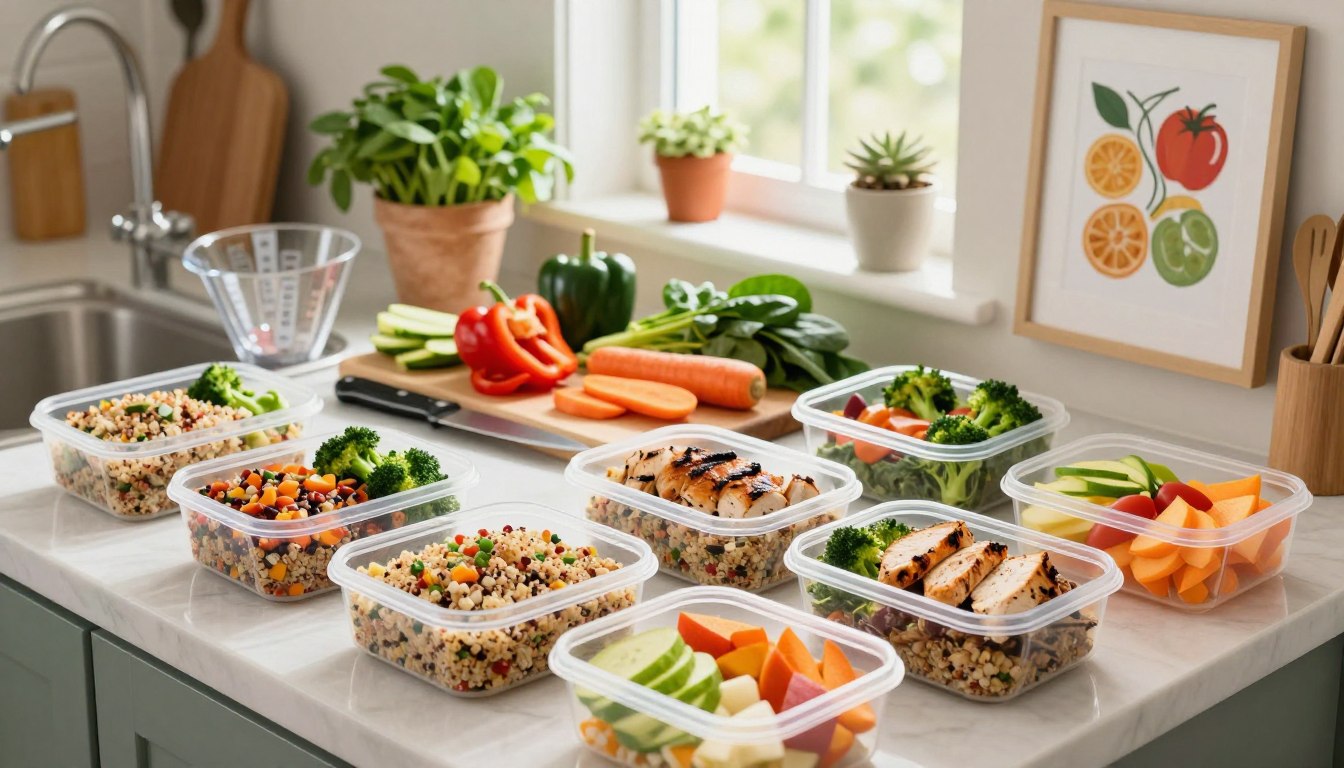
The final piece of the puzzle is choosing the best storage solutions for your food. High-quality meal prep containers are vital for keeping your ingredients fresh and organized. You want options that are leak-proof, microwave-safe, and easy to clean.
When selecting your gear, consider the material and size that best fit your storage space. Below is a quick guide to help you choose the right type for your needs.
| Material | Best For | Durability |
|---|---|---|
| Glass | Reheating and longevity | High |
| BPA-Free Plastic | Portability and weight | Medium |
| Stainless Steel | Cold storage and durability | Very High |
Choosing the right tools ensures that your hard work stays fresh until you are ready to eat. With a well-organized fridge, you will find it much easier to stick to your plan and enjoy your healthy meals throughout the busy work week.
Planning Your Weekly Menu for Maximum Efficiency
Transforming your kitchen routine begins with a strategic approach to menu planning. By mapping out your meals in advance, you eliminate the daily stress of deciding what to eat. This proactive habit is the foundation for mastering healthy food prep recipes that fit your busy lifestyle.
Balancing Macronutrients in Every Meal
To maintain steady energy levels, you must ensure your plates contain a proper mix of proteins, healthy fats, and complex carbohydrates. Consistency is key when you aim to fuel your body effectively throughout the day. Try to include a lean protein source, a serving of fiber-rich vegetables, and a portion of whole grains in every dish.
When you focus on these ratios, you naturally create more satisfying meals. This approach helps you avoid the mid-afternoon energy crash that often leads to poor snacking choices. Integrating these principles into your routine makes finding easy meal prep recipes much simpler.
Creating a Realistic Grocery List
A successful trip to the store starts with a well-organized list based on your planned menu. Avoid the temptation of impulse buys by checking your pantry before you leave the house. Organization prevents food waste and ensures you have exactly what you need for the week ahead.
Group your items by category, such as produce, proteins, and dry goods, to navigate the aisles faster. This simple step saves time and keeps your budget in check. When you shop with a clear purpose, you are far more likely to stick to your nutritional goals.
Strategies for Batch Cooking
Batch cooking involves preparing large quantities of specific ingredients to use across multiple meals. You might roast a large tray of vegetables or cook a big pot of quinoa on Sunday to save time during the week. This method is a game-changer for anyone with a packed schedule.
Focus on versatile components that can be seasoned differently to keep your palate interested. By prepping your proteins and grains in bulk, you reduce the time spent standing at the stove each night. This efficient workflow allows you to enjoy nutritious food even on your busiest days.
Simple Meal Prep Ideas for Breakfast
Transforming your morning routine starts with simple meal prep ideas that keep you fueled and focused. When you prepare your food in advance, you eliminate the stress of deciding what to eat while rushing out the door. These nutritious meal prep ideas ensure you never skip the most important meal of the day.
Overnight Oats and Chia Seed Puddings
Overnight oats are a perfect solution for those who want a hearty breakfast without the morning cooking time. Simply combine rolled oats, your choice of milk, and chia seeds in a glass jar. Let the mixture sit in your refrigerator overnight to soften and absorb the liquid.
You can customize these jars with fresh berries, nuts, or a drizzle of honey. Chia seed puddings follow a similar process and offer a nutrient-dense boost to your morning. These jars stay fresh for up to four days, making them a reliable staple for your weekly schedule.
Egg-Based Muffins and Frittatas
If you prefer a savory start to your day, baking egg-based muffins is an excellent strategy. Whisk eggs with your favorite chopped vegetables, such as spinach, bell peppers, and onions. Pour the mixture into a muffin tin and bake until they are firm and golden.
These muffins are incredibly portable and can be reheated in seconds. Frittatas work on the same principle but are baked in a larger skillet or pan. You can slice them into individual portions for a quick, protein-packed breakfast that keeps you full until lunch.
Smoothie Packs for Busy Mornings
Smoothie packs are the ultimate time-saver for anyone with a hectic schedule. Portion out your favorite fruits, leafy greens, and seeds into individual freezer-safe bags. When you are ready to eat, just dump the contents into a blender and add your preferred liquid base.
This method prevents food waste and ensures you always have a healthy breakfast option ready to go. By keeping these packs in your freezer, you maintain consistency with your nutritious meal prep ideas throughout the entire week. It is one of the most effective simple meal prep ideas for maintaining a balanced diet on the move.
Nutritious Meal Prep Ideas for Lunch
Midday hunger often leads to poor food choices, but these strategies help you maintain your health goals during the workday. You can easily elevate your nutrition with these simple meal prep ideas for lunch. By dedicating a small amount of time to your kitchen routine, you ensure that a healthy meal is always ready when you need it most.

Mason Jar Salads That Stay Fresh
The secret to a perfect salad is the order of your ingredients. To keep your greens crisp, always place your dressing at the very bottom of the jar. Follow this with hearty vegetables like cucumbers or carrots, then add your grains or proteins, and finish with delicate leafy greens at the top.
- Bottom layer: Vinaigrette or dressing.
- Middle layer: Chickpeas, quinoa, or roasted vegetables.
- Top layer: Spinach, arugula, or mixed greens.
Grain Bowls With Lean Proteins
Constructing a balanced grain bowl is one of the most effective nutritious meal prep ideas for busy professionals. Start with a base of fiber-rich grains like farro, brown rice, or quinoa. Top these with lean proteins such as grilled chicken, tofu, or hard-boiled eggs to keep you full for hours.
To maintain the best texture, store your sauces in a separate small container. Add the dressing just before you eat to prevent the grains from becoming soggy. This simple step ensures your lunch remains fresh and satisfying throughout the entire work week.
Wrap and Sandwich Prep Techniques
Soggy bread is the enemy of a good lunch. You can prevent this by placing a barrier of lettuce or cheese between the bread and any moist fillings like tomatoes or spreads. If you prefer wraps, consider using large collard green leaves or whole-grain tortillas for a healthier twist.
Pro tip: Wrap your sandwiches tightly in parchment paper or beeswax wraps to lock in freshness. By using these techniques, you will enjoy a crisp, delicious meal that feels freshly made every single day.
Quick Healthy Meal Prep for Dinner
Dinner time should be a moment of relaxation rather than a stressful chore after a long day. By focusing on nutritious meal prep ideas, you can ensure that your evening meal is both wholesome and easy to assemble. The goal is to minimize your time in the kitchen while maximizing the quality of your food.
Sheet Pan Roasting Methods
Sheet pan roasting is perhaps the most efficient way to cook a complete dinner. You simply place your protein and vegetables on a single tray, season them, and let the oven do the heavy lifting. This method is perfect for those seeking quick, healthy meal prep without the need for multiple pans.
“The beauty of sheet pan cooking lies in its simplicity; it allows flavors to meld together perfectly while you reclaim your evening.”
One-Pot Wonders for Minimal Cleanup
If you want to reduce your time spent scrubbing dishes, one-pot meals are your best friend. These recipes rely on a single pot or Dutch oven to create hearty stews, soups, or braised dishes. You can easily prepare these in advance and store them in your refrigerator for a fast, stress-free dinner.
- Batch cook grains like quinoa or brown rice to serve as a base.
- Use lean proteins like chicken breast or chickpeas for sustained energy.
- Add seasonal vegetables to boost the fiber content of your meal.
Stir-Fry Kits for Rapid Cooking
Stir-fry kits are excellent for busy weeknights when you need dinner on the table in under fifteen minutes. By pre-chopping your vegetables and marinating your proteins ahead of time, you create your own custom nutritious meal prep ideas. When you are ready to eat, simply toss everything into a hot skillet for a fast, high-heat sear.
This approach ensures you always have a quick, healthy meal prep option available, even on your busiest days. Keeping your ingredients organized in the fridge allows you to maintain a healthy lifestyle without sacrificing your precious downtime.
Clean Eating Meal Prep Strategies
Mastering the art of clean eating meal prep allows you to take full control of your nutritional intake. By focusing on the quality of the fuel you provide your body, you set a strong foundation for long-term health. This approach simplifies your kitchen routine while ensuring every bite supports your wellness objectives.

Focusing on Whole, Unprocessed Ingredients
The core of this strategy involves choosing foods in their most natural state. You should prioritize fresh produce, lean proteins, and whole grains over packaged items that contain hidden additives. When you shop, try to stick to the perimeter of the grocery store where these nutrient-dense options are typically located.
Using whole ingredients ensures that you receive the maximum amount of vitamins and minerals. This method of clean eating meal prep helps you avoid the preservatives often found in convenience foods. Your body will likely feel more energized when it is not processing artificial chemicals.
Incorporating Seasonal Vegetables
Adding seasonal vegetables to your weekly menu is a smart way to boost nutrient density. Produce harvested at its peak offers the best flavor and the highest concentration of antioxidants. You can easily roast or steam these items in large batches to save time during the week.
Consider visiting local farmers’ markets to find the freshest options available in your region. By rotating your vegetable choices throughout the year, you keep your palate excited and your diet diverse. This variety is essential for maintaining a sustainable and enjoyable healthy lifestyle.
Managing Sodium and Sugar Intake
Reducing your reliance on processed foods naturally helps you manage your daily sodium and sugar intake. Many pre-made meals contain excessive amounts of these ingredients to enhance shelf life and taste. By preparing your own sauces and dressings, you can control exactly what goes into your body.
Use herbs, spices, and citrus juices to add flavor without the need for extra salt or refined sweeteners. This simple shift supports your long-term wellness goals and helps prevent energy crashes. The following table highlights how you can make better choices during your next grocery trip.
| Food Category | Processed Option | Clean Alternative |
|---|---|---|
| Snacks | Potato Chips | Roasted Chickpeas |
| Dressings | Bottled Ranch | Olive Oil & Lemon |
| Grains | Instant Flavored Rice | Plain Quinoa |
| Proteins | Cured Deli Meat | Grilled Chicken Breast |
Budget-Friendly Meal Prep Tactics
Eating nutritious food on a budget is entirely possible when you implement the right financial strategies in your kitchen. By focusing on efficiency, you can lower your grocery bills while still enjoying high-quality meals. Mastering budget-friendly meal prep allows you to take control of your health and your wallet simultaneously.
Shopping Seasonally and in Bulk
One of the most effective ways to save money is to align your menu with the current harvest. Seasonal produce is often cheaper and more flavorful because it does not require long-distance shipping. You should also look for bulk bins for staples like rice, beans, and oats to reduce packaging costs.
“The secret to a healthy kitchen is not just what you buy, but how you buy it. Prioritizing seasonal items and bulk staples creates a foundation for long-term savings.”
When you buy in bulk, you avoid the premium prices associated with pre-packaged goods. Planning your trips around store sales cycles can further maximize your savings. This approach ensures that your budget-friendly meal prep remains sustainable throughout the entire year.
Utilizing Versatile Ingredients Across Multiple Meals
To stretch your food budget, choose ingredients that can serve as the base for several different dishes. For example, a large batch of roasted chicken can be used in salads, wraps, and grain bowls. This strategy minimizes the number of unique items you need to purchase each week.
- Roasted Vegetables: Use them as a side dish, in a frittata, or blended into a soup.
- Quinoa or Brown Rice: Serve as a base for lunch bowls or a filler for breakfast porridge.
- Beans and Lentils: Add them to tacos, stews, or salads for an affordable protein boost.
By keeping your ingredient list focused, you reduce the risk of buying items that sit unused in your pantry. This method of budget-friendly meal prep simplifies your shopping list and keeps your kitchen organized.
Reducing Food Waste Through Smart Storage
Food waste is essentially money thrown directly into the trash. You can prevent this by using proper storage techniques that extend the life of your fresh ingredients. Investing in high-quality, airtight containers will keep your produce crisp and your proteins fresh for longer periods.
Consider labeling your containers with dates to ensure you use older items first. If you find yourself with extra produce, try freezing it before it spoils. Implementing these budget-friendly meal prep habits will ensure that every dollar you spend contributes to your health goals.
Healthy Meal Prepping Tips for Weight Loss
When you aim for weight loss, your meal prep strategy becomes your most powerful tool. By taking control of your environment, you remove the guesswork that often leads to poor dietary choices. Implementing these healthy meal prepping tips will help you stay consistent and focused on your long-term wellness journey.
Portion Control and Caloric Awareness
Achieving your goals requires a strategic approach to how much you consume at each sitting. Using standardized containers helps you visualize your intake and prevents accidental overeating. Awareness is the first step toward changing your habits for the better.
Consider these steps to master your portions:
- Use smaller plates to trick your brain into feeling satisfied with less food.
- Measure your grains and proteins using a digital scale during your initial prep phase.
- Label your containers with the total calorie count to maintain daily caloric awareness.
Prioritizing Fiber and Protein
If you want to succeed with meal prep for weight loss, you must focus on the right macronutrients. Protein and fiber are essential because they keep you feeling full and satisfied for longer periods. This combination helps reduce the urge to graze between your scheduled meals.
Try incorporating these nutrient-dense staples into your weekly rotation:
- Lean proteins: Grilled chicken breast, tofu, lentils, or white fish.
- High-fiber vegetables: Broccoli, Brussels sprouts, kale, and carrots.
- Complex carbohydrates: Quinoa, black beans, and sweet potatoes.
Managing Cravings With Healthy Snacks
Cravings often strike when you are tired or unprepared. Having healthy, pre-portioned snacks readily available ensures you do not reach for processed alternatives when hunger hits. This proactive meal prep for weight loss strategy keeps your blood sugar stable throughout the day.
Keep these quick options in your fridge or pantry:
- Individual servings of Greek yogurt with fresh berries.
- Small bags of raw almonds or walnuts for a quick crunch.
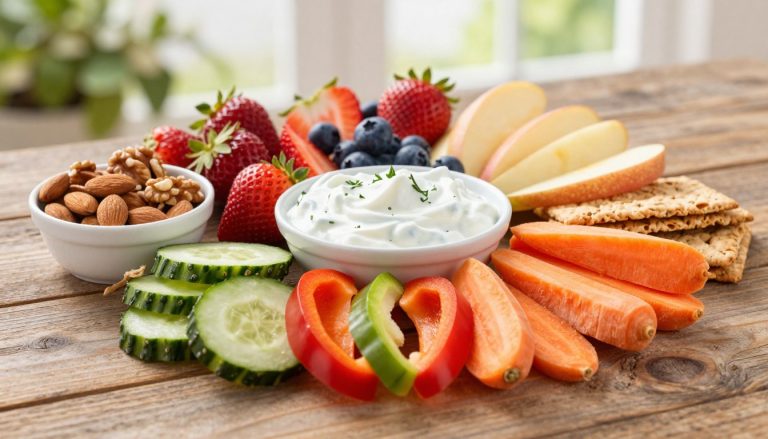
- Pre-cut vegetable sticks paired with a small portion of hummus.
By following these healthy meal prepping tips, you create a sustainable path toward your target weight. Consistency is the key to seeing real results over time.
Advanced Techniques for Quick Healthy Meal Prep
Once you have mastered the basic routines, you can elevate your kitchen efficiency to a professional level. Implementing these advanced strategies allows you to spend less time cooking while maintaining high nutritional standards. These methods are designed to streamline your workflow and ensure you always have quick healthy meal prep options ready to go.
Mastering the Art of Sauce and Dressing Prep
The secret to transforming simple ingredients into gourmet meals lies in your flavor profiles. By dedicating time to whisking up versatile vinaigrettes, creamy tahini sauces, or spicy peanut dressings, you add instant depth to any dish. Consistency is key when you prepare these in bulk, as they can be stored in glass jars for up to a week.
Try keeping a base of olive oil, lemon juice, and Dijon mustard in your fridge at all times. This simple combination acts as a foundation for countless salads and roasted vegetable bowls. Having these flavor boosters ready makes your quick healthy meal prep feel like a culinary experience rather than a chore.
Par-Cooking Grains and Legumes
Cooking grains and legumes from scratch every single day consumes valuable time and energy. Instead, try par-cooking items like quinoa, brown rice, or chickpeas until they are just tender but still firm. This technique prevents them from becoming mushy when you reheat them later in the week.
Once cooled, these components can be portioned into containers for rapid assembly. You can finish the cooking process in minutes by tossing them into a hot pan or a steamer. This quick healthy meal prep strategy ensures you always have a fiber-rich base for your lunch or dinner.
Freezer-Friendly Meal Components
Your freezer is an underutilized tool that can save you hours of labor. By preparing components like marinated proteins, blanched vegetables, or pre-portioned smoothie bags, you create a safety net for busy days. These items maintain their quality for weeks, providing you with quick healthy meal prep solutions when your schedule becomes unpredictable.
| Component | Storage Method | Shelf Life | Best Use |
|---|---|---|---|
| Marinated Chicken | Vacuum Sealed Bag | 3 Months | Sheet Pan Roasting |
| Blanched Broccoli | Freezer-Safe Container | 2 Months | Stir-Fry Kits |
| Cooked Lentils | Portion-Sized Bags | 4 Months | Grain Bowls |
| Vegetable Broth | Ice Cube Trays | 6 Months | Flavoring Soups |
Using these advanced techniques helps you maintain a healthy lifestyle without spending your entire weekend in the kitchen. Focus on building a library of these components to make your future cooking sessions faster and more enjoyable. With a little planning, you will find that quick healthy meal prep becomes a natural part of your weekly routine.
Overcoming Common Meal Prep Challenges
Staying consistent with your nutrition goals requires navigating inevitable hurdles. Even the most dedicated planners encounter obstacles that can disrupt their routine. By applying effective healthy meal prepping tips, you can turn these setbacks into opportunities for growth.
Dealing With Food Fatigue
Eating the same chicken and broccoli every day often leads to boredom. To combat this, rotate your recipes every two weeks to keep your palate excited. Variety is the spice of life, and it is essential for long-term success in your clean eating meal prep journey.
Try experimenting with different spice blends or international cuisines to refresh your menu. Small changes, like swapping a grain bowl for a lettuce wrap, can make a significant difference in your motivation levels.
Adjusting for Unexpected Schedule Changes
Life is unpredictable, and your meal plan should be flexible enough to handle sudden shifts. If you find yourself with less time than expected, rely on your freezer stash of pre-cooked proteins or frozen vegetable medleys. These components allow you to assemble a nutritious meal in minutes rather than hours.
Keep a list of “emergency meals” that require minimal effort. Having a few pantry staples like canned beans, quinoa, and jarred marinara sauce ensures you never have to resort to unhealthy takeout when your schedule gets chaotic.
Maintaining Food Safety Standards
Proper storage is the foundation of safe and delicious meals. Always store your food in airtight containers to prevent spoilage and cross-contamination. Most cooked meals remain fresh in the refrigerator for three to four days, so plan your consumption accordingly.
If you prepare large batches, consider freezing portions that you do not plan to eat within the first few days. Labeling your containers with the date of preparation helps you track freshness and reduces the risk of foodborne illness.
| Challenge | Immediate Solution | Long-term Strategy |
|---|---|---|
| Food Boredom | Add fresh herbs or hot sauce | Rotate recipes every 14 days |
| Time Crunch | Use frozen pre-chopped veggies | Batch cook versatile base proteins |
| Spoilage | Check fridge temperature | Use clear, airtight glass containers |
Conclusion
Mastering the art of meal preparation serves as a powerful catalyst for long-term wellness. This transformative process empowers you to reclaim your schedule while fueling your body with high-quality ingredients.
You now possess the tools to turn a chaotic kitchen into a hub of efficiency. Small, deliberate actions lead to significant shifts in your energy levels and overall health. Focus on building habits that fit your unique lifestyle rather than chasing perfection.
Consistency remains the most vital component of your success. Each batch of food you prepare strengthens your commitment to a balanced diet. You will find that organized planning removes the stress of daily decision-making.
Take the first step by selecting one simple recipe to try this weekend. Share your favorite meal prep discoveries with friends or family to keep your motivation high. Your journey toward a healthier, more organized life starts with the very next meal you create.
FAQ
What are the primary benefits of incorporating healthy food prep recipes into my routine?
Adopting easy meal prep recipes simplifies your busy lifestyle by eliminating the daily stress of deciding what to cook. By managing your kitchen more efficiently, you can ensure you meet your nutritional requirements while saving significant time and money throughout the work week.
Which meal prep containers are best for keeping my food fresh?
To ensure your nutritious meal prep ideas stay delicious, invest in high-quality, airtight meal prep containers. Brands like Glasslock offer tempered glass options that are durable and microwave-safe, while the Rubbermaid Brilliance line provides a leak-proof seal that is perfect for transporting salads and stews without messes.
How can I achieve quick healthy meal prep on a tight budget?
Budget-friendly meal prep is easily achievable by shopping seasonally and purchasing staples like quinoa, beans, and frozen vegetables in bulk from retailers like Costco. Utilizing versatile ingredients across multiple recipes and practicing smart storage techniques significantly reduces food waste and lowers your overall grocery expenses.
What are some simple meal prep ideas for a busy morning?
You can streamline your mornings with simple meal prep ideas like overnight oats using Bob’s Red Mill rolled oats or pre-baked egg muffins made in a Wilton non-stick tin. Another efficient strategy is to assemble smoothie packs with spinach and fruit, ready to be tossed into a Vitamix blender for a nutrient-dense breakfast in seconds.
How does clean eating meal prep differ from standard meal planning?
Clean eating meal prep focuses specifically on whole, unprocessed ingredients and the exclusion of refined sugars and excessive sodium. By prioritizing seasonal produce and lean proteins, you ensure that every meal provides high-quality fuel for your body while supporting your long-term wellness goals.
Do you have any specific healthy meal prepping tips for weight loss?
When focusing on meal prep for weight loss, the most effective healthy meal prepping tips involve strict portion control and a high priority on fiber and protein. Using a digital kitchen scale from Ozeri can help you maintain caloric awareness, while prepping healthy snacks like pre-cut crudités keeps you from reaching for processed alternatives during cravings.
How do I prevent “food fatigue” when eating prepared meals?
You can overcome food fatigue by mastering the art of variety through sauces and dressings. Prepare a batch of versatile condiments, such as a lemon-tahini dressing or a spicy peanut sauce, to change the flavor profile of your base ingredients. This allows you to enjoy the same quick healthy meal prep components, like roasted chicken or brown rice, in entirely different ways throughout the week.
What is the best way to maintain food safety when prepping for the entire week?
To maintain high food safety standards, most prepared meals should be consumed within three to four days of cooking. For anything intended for later in the week, utilize freezer-friendly components. Always ensure your meal prep containers are properly labeled with the preparation date and stored in a refrigerator set to 40°F (4°C) or below to prevent spoilage.