Easy Ricotta Pasta Recipes for Quick Weeknight Meals
Table of Contents
Transforming your kitchen into an authentic Italian trattoria starts with understanding the power of a single, mild ingredient. This creamy staple acts as a foundational element for countless dishes, offering a velvety texture that balances bold herbs and savory sauces perfectly.
Whether you are preparing a quick meal after a long day or planning an elaborate weekend feast, these Ricotta Cheese Recipes provide the versatility you need. You will find that this ingredient adapts beautifully to both baked casseroles and light, tossed noodles.

ricotta pasta recipes
Mastering these culinary techniques is an essential skill for any home cook. By learning how to incorporate this dairy delight into your routine, you can easily elevate your pasta game to a professional level. Get ready to impress your guests with dishes that feel both comforting and sophisticated.
Key Takeaways
- Discover the culinary versatility of creamy Italian staples in your daily cooking.
- Learn how to balance mild flavors with bold herbs for a perfect dish.
- Master techniques that work for both quick weeknight meals and special occasions.
- Understand why this ingredient is a must-have for every home kitchen.
- Elevate your pasta preparation skills with simple, effective methods.
Understanding the Versatility of Ricotta Cheese Recipes
Exploring the versatility of Ricotta Cheese Recipes opens up a world of culinary possibilities for your kitchen. This mild, creamy cheese possesses unique chemical properties that allow it to melt into sauces without breaking or curdling. Because of its stable structure, it acts as a reliable base for both heavy, baked dishes and light, tossed pasta creations.
Why Ricotta is the Perfect Pasta Companion
Ricotta is an exceptional partner for pasta because it provides a velvety mouthfeel that clings to every noodle. Unlike harder cheeses that might become oily when heated, ricotta maintains a smooth consistency that binds ingredients together beautifully. This makes it a staple in many Ricotta Cheese Recipes, as it balances the acidity of tomato sauces and the sharpness of herbs.
You will find that its neutral flavor profile allows it to adapt to various seasonings. Whether you are adding garlic, lemon zest, or fresh basil, the cheese absorbs these flavors while providing a creamy backdrop. It essentially acts as a bridge between the pasta and your chosen aromatics.
Selecting the Best Ricotta for Your Cooking
Choosing the right product is essential for achieving the texture you desire in your Ricotta Cheese Recipes. The moisture content of different brands significantly impacts the final result of your dish. If you prefer a richer, more decadent sauce, whole milk ricotta is your best option due to its higher fat content.
Conversely, if you are aiming for a lighter meal, part-skim varieties offer a slightly firmer texture that works well in baked pasta. Always check the label for added stabilizers, as these can sometimes alter how the cheese melts. By selecting the appropriate variety, you ensure that your pasta remains perfectly creamy every time you cook.
Classic Pasta Dishes with Ricotta
When you think of Italian-American comfort food, you likely picture hearty, cheese-filled pasta dishes with ricotta. These recipes rely on the unique ability of the cheese to provide a creamy, luxurious texture that holds up perfectly under high heat. By mastering these staples, you bring a piece of culinary tradition directly into your own kitchen.
Traditional Baked Ziti with Ricotta
Baked ziti is a quintessential meal that benefits immensely from the right preparation. To ensure your cheese remains smooth rather than grainy, avoid over-mixing the ricotta with your sauce before assembly. Instead, dollop the cheese mixture in layers throughout the pasta to create pockets of creamy goodness.
Consistency is key when you prepare these pasta dishes with ricotta. By keeping the ricotta slightly chunky, you prevent it from breaking down into a watery mess during the baking process. Always use a high-quality, whole-milk variety to achieve the richest results.
Authentic Stuffed Shells with Marinara
Stuffed shells offer a beautiful presentation that makes them a favorite for family gatherings. The secret to success lies in the structural integrity of the pasta shells. You should boil the shells until they are just al dente, as they will continue to soften while baking in the oven.
When filling the shells, use a piping bag or a small spoon to pack the cheese mixture firmly. This technique ensures the shells hold their shape and do not collapse under the weight of the marinara sauce. A well-stuffed shell provides the perfect balance of tender pasta and savory, creamy filling in every single bite.
The Refreshing Appeal of Lemon Ricotta Pasta
You can elevate your dinner routine by incorporating the refreshing notes of citrus into your favorite pasta with ricotta recipe. This dish moves away from heavy, butter-laden sauces, offering a sophisticated profile that feels light on the palate. It is the perfect solution when you want a meal that is both elegant and incredibly simple to prepare.
Balancing Citrus and Creamy Textures
The secret to a successful lemon ricotta pasta lies in the emulsification process. By whisking fresh lemon juice and finely grated zest directly into the ricotta, you create a velvety base that clings beautifully to your noodles. Adding a small splash of starchy pasta water helps to thin the mixture, ensuring the sauce achieves a silky, luxurious consistency without becoming greasy.
You should aim for a balance where the acidity of the lemon cuts through the richness of the cheese. Start with a small amount of zest and adjust to your personal preference. This technique allows the bright, sunny flavors to shine through while maintaining the creamy mouthfeel that makes this dish so satisfying.
Adding Herbs for a Bright Finish
Fresh herbs are essential for rounding out the flavor profile of your meal. While basil provides a sweet, peppery note that pairs naturally with dairy, flat-leaf parsley offers a clean, grassy finish that highlights the citrus elements. You might also consider adding a touch of fresh mint if you want an extra layer of cooling complexity.
Always stir your chosen herbs in at the very last second before serving. This preserves their vibrant color and prevents them from wilting too quickly in the heat of the pasta. By choosing high-quality, fresh ingredients, you ensure that every bite of your dish remains vibrant and aromatic.
Mastering Ricotta Cheese and Spinach Pasta
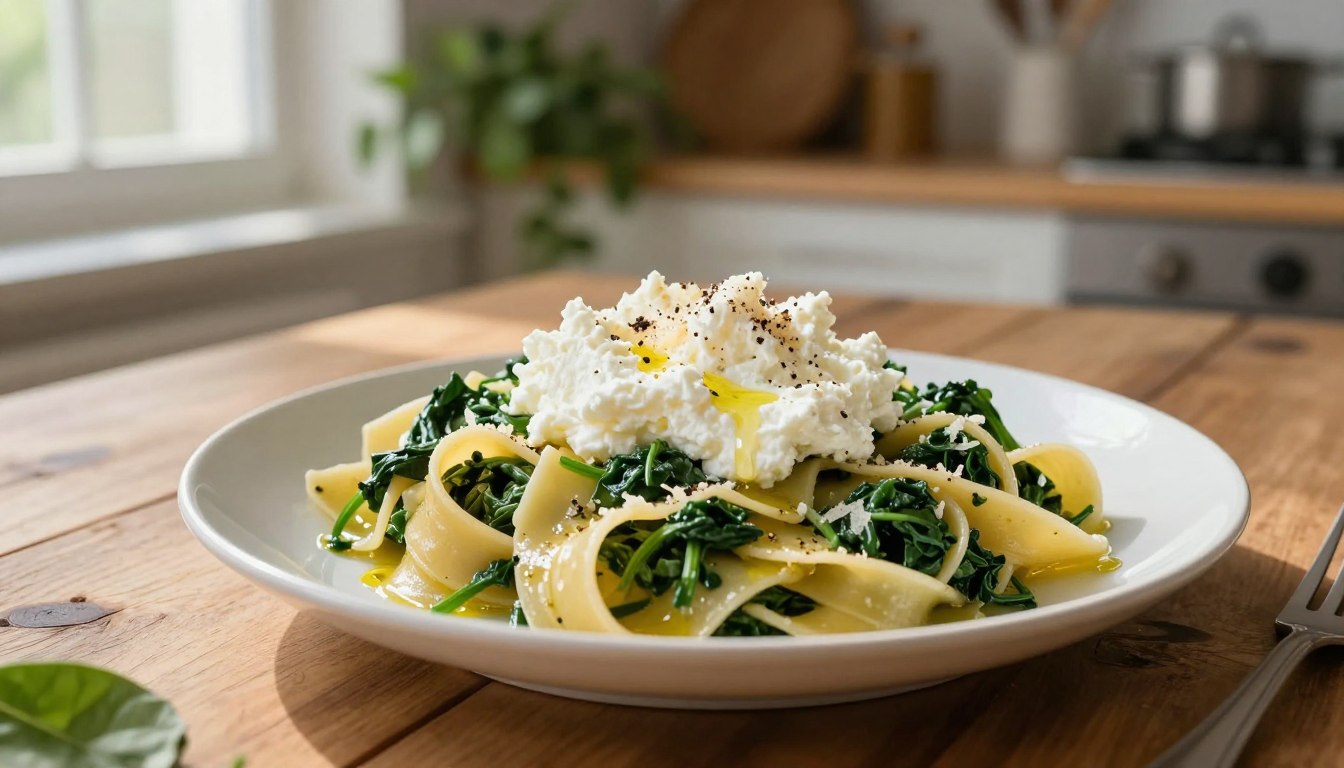
Elevating your home cooking often starts with mastering the classic balance of a ricotta cheese and spinach pasta. This timeless combination relies on the contrast between the mild, creamy profile of the cheese and the slightly bitter, earthy notes of fresh greens. When prepared correctly, this dish offers a sophisticated flavor profile that feels both comforting and elegant.
Creating the Perfect Filling Ratio
To achieve a professional result, you must focus on the ratio of your ingredients. A common mistake is adding too much spinach, which can overpower the delicate flavor of the cheese. Aim for a ratio of two parts ricotta to one part cooked, squeezed spinach for the best consistency.
When you follow a pasta with ricotta recipe, ensure your ricotta is well-drained before mixing. Incorporating a small amount of grated Parmesan or Pecorino Romano adds a necessary saltiness that rounds out the filling. Always taste your mixture before stuffing your pasta to ensure the seasoning is balanced.
Tips for Preventing Watery Sauces
The biggest challenge when working with greens is excess moisture. If you do not remove the water from your spinach, your filling will become thin and ruin the texture of your pasta. Thoroughly squeezing the cooked spinach in a clean kitchen towel is the most effective way to remove trapped liquid.
Once the spinach is dry, chop it finely so it integrates smoothly with the cheese. If you find your mixture still feels too loose, consider adding a tablespoon of breadcrumbs to absorb any remaining moisture. By taking these extra steps, you ensure your pasta with ricotta recipe remains firm and delicious every time you serve it.
Quick Weeknight Meals Made with Ricotta Cheese
Discover how to turn basic pantry items into gourmet dinners using creamy ricotta. When your schedule is packed, you need efficient strategies to get food on the table without sacrificing quality. These meals made with ricotta cheese prove that you do not need hours in the kitchen to enjoy a restaurant-style experience at home.
Whipped Ricotta Sauce for Instant Pasta
You can create a luxurious, velvety sauce in under ten minutes by utilizing the magic of pasta water. Simply whisk your ricotta with a splash of starchy cooking water and a drizzle of high-quality olive oil until it reaches a smooth consistency. This instant sauce clings perfectly to your noodles, providing a rich mouthfeel that feels far more complex than the effort required.
For an extra boost of flavor, stir in a pinch of red pepper flakes or freshly cracked black pepper. This technique is a staple among many Ricotta Cheese Recipes because it relies on pantry staples you likely already have in your kitchen. It is the ultimate solution for those nights when you crave comfort but lack the time for elaborate preparations.
Combining Ricotta with Seasonal Vegetables
Transforming simple pasta into a nutritious meal is easy when you incorporate fresh, seasonal produce. During the spring, try folding in blanched asparagus or sweet peas to add a vibrant crunch to your dish. In the autumn, roasted butternut squash or sautéed kale pairs beautifully with the mild, creamy profile of the cheese.
These nutritious additions turn basic pasta into balanced meals made with ricotta cheese that satisfy the whole family. By rotating your vegetable choices based on what is currently in season, you ensure that your dinner remains exciting and fresh throughout the year. Experimenting with these combinations allows you to master versatile Ricotta Cheese Recipes that adapt to any pantry inventory.
Advanced Techniques for Creamy Pasta Sauces
If you want to transform your pasta dishes with ricotta, you must understand the chemistry of heat and emulsion. Professional chefs often use specific methods to ensure their sauces remain smooth rather than grainy. By mastering these technical skills, you can achieve a restaurant-quality finish in your own kitchen.

Tempering Ricotta to Prevent Curdling
Ricotta is a delicate cheese that reacts poorly to sudden, high heat. When you add cold cheese directly to a boiling pan, the proteins can seize and curdle, resulting in a gritty texture. Tempering is the essential process of gradually bringing the cheese to a higher temperature before it hits the main sauce.
To temper your ricotta effectively, follow these simple steps:
- Place your measured ricotta in a small mixing bowl.
- Slowly whisk in a tablespoon or two of warm pasta cooking water.
- Continue adding small amounts of liquid until the cheese reaches a smooth, pourable consistency.
- Gently fold this mixture into your pasta off the heat to maintain a creamy finish.
“The secret to a perfect sauce lies in the patience of the cook and the quality of the emulsion.”
Emulsifying Pasta Water for Silky Results
The secret to binding your sauce to the noodles is the starchy water left behind after boiling your pasta. This liquid acts as a bridge between the fat in the cheese and the carbohydrates in the pasta. When you toss your pasta dishes with ricotta with this starchy water, you create a cohesive, silky coating that clings to every strand.
Always reserve at least one cup of pasta water before draining your noodles. Adding this water back into the pan while tossing creates a stable emulsion that prevents the sauce from separating. This technique is the hallmark of authentic Italian cooking and ensures your pasta dishes with ricotta look and taste professional every time.
Pairing Proteins with Ricotta Pasta
You can transform simple pasta dishes by adding savory proteins that complement the mild flavor of ricotta. When you select the right ingredients, you create a balanced and hearty flavor profile that elevates your dinner. These additions turn standard recipes into satisfying meals made with ricotta cheese that your family will love.
Incorporating Italian Sausage and Ricotta
Italian sausage is a fantastic choice because its bold spices and fat content cut through the creaminess of the cheese. The richness of the pork fat balances the light, milky texture of the ricotta perfectly. You should brown the sausage thoroughly before folding it into your sauce to ensure the best flavor distribution.
Try using mild or spicy sausage depending on your preference for heat. If you want a deeper flavor, crumble the meat into small pieces so it coats every strand of pasta. This combination is a staple for those who enjoy hearty, rustic comfort food.
Adding Seafood to Ricotta-Based Dishes
If you prefer a lighter touch, seafood offers a delicate contrast to creamy sauces. Shrimp and scallops are excellent options that pair beautifully with lemon-infused ricotta bases. You must be careful to avoid overcooking these proteins, as they can become rubbery if left in the heat too long.
Add your seafood during the final minutes of cooking to keep it tender and succulent. By mastering these protein pairings, you expand the variety of meals made with ricotta cheese you can serve at home. Always remember that the goal is to let the sweetness of the seafood shine alongside the velvety texture of the cheese.
Dietary Adaptations for Ricotta Pasta
Dietary restrictions should never stand in the way of a delicious, comforting meal. Whether you are managing food sensitivities or choosing a specific lifestyle, you can still enjoy the rich, creamy textures that make Italian-inspired cooking so popular.
By making a few smart swaps, you can easily recreate your favorite dishes at home. These adjustments ensure that everyone at your table feels included and satisfied.
Gluten-Free Pasta Options for Ricotta Recipes
When you remove gluten from your diet, the texture of your pasta becomes the most important factor. You need shapes that are sturdy enough to hold heavy, creamy sauces without falling apart.
Brown rice pasta and chickpea-based noodles are excellent choices for this purpose. Their firm structure mimics traditional wheat pasta, making them perfect for baked dishes or thick sauces.
Avoid thin, delicate strands like angel hair, which often turn mushy when combined with dense ingredients. Instead, opt for shapes like penne, fusilli, or rigatoni to ensure your meal maintains a satisfying bite.

Making Dairy-Free Ricotta Alternatives
If you are looking to enjoy a plant-based version of a classic ricotta cheese and spinach pasta, you have several effective options. Many store-bought vegan cheeses are available, but you can also create a delicious base using simple ingredients.
A popular method involves blending firm tofu with nutritional yeast, lemon juice, and fresh herbs. This mixture provides a similar crumbly texture and tangy flavor profile that works beautifully in stuffed shells or lasagna.
You can also use soaked cashews or almond-based spreads to achieve a rich, velvety consistency. These alternatives allow you to maintain the integrity of your ricotta cheese and spinach pasta while adhering to a dairy-free diet.
| Ingredient Type | Best Use Case | Texture Profile |
|---|---|---|
| Brown Rice Pasta | Baked Ziti | Firm and Chewy |
| Chickpea Pasta | Hearty Sauces | High Protein |
| Tofu Ricotta | Stuffed Shells | Crumbly and Light |
| Cashew Cream | Silky Sauces | Smooth and Rich |
Storing and Reheating Your Ricotta Pasta
Properly managing your leftovers ensures that your meals made with ricotta cheese remain as delicious as the day they were prepared. Taking a few extra moments to store your food correctly preserves the delicate balance of flavors and textures that define these dishes.
Best Practices for Keeping Leftovers Fresh
To maintain the highest quality, always allow your pasta to cool to room temperature before placing it in the refrigerator. Transfer the food into airtight containers to prevent the pasta from absorbing other odors in your fridge.
It is best to consume these dishes within three to four days for optimal safety and taste. If you need to keep them longer, consider freezing individual portions in freezer-safe bags to prevent ice crystals from forming on the sauce.
Reviving Creamy Sauces After Refrigeration
When you are ready to enjoy your leftovers, you might notice that the sauce has thickened significantly. This happens because the starch in the pasta continues to absorb moisture while sitting in the cold.
To restore the original consistency, add a small splash of water, broth, or milk while reheating the dish over low heat. Stir the mixture gently and consistently to ensure the sauce becomes silky and smooth again without curdling the delicate cheese base.
| Storage Method | Recommended Time | Reheating Tip |
|---|---|---|
| Refrigerator | 3-4 Days | Add a splash of water |
| Freezer | Up to 2 Months | Thaw in fridge first |
| Room Temp | Not Recommended | Discard after 2 hours |
Conclusion
Mastering the art of ricotta pasta opens a world of culinary possibilities for your home cooking. You now possess the essential techniques to transform simple ingredients into memorable meals. Whether you prefer a quick weeknight dinner or a complex baked dish, these methods provide a solid foundation for your kitchen adventures.
Confidence in the kitchen grows as you experiment with new flavor profiles. Try pairing different fresh herbs, seasonal vegetables, and high-quality proteins to make each recipe your own. Brands like Galbani or BelGioioso offer excellent textures that adapt well to various cooking styles.
Your pasta rotation will benefit from the creamy richness that only ricotta provides. Keep exploring these combinations to find your signature dish. Share your creations with friends and family to spread the joy of authentic, homemade Italian-inspired food. The kitchen remains your space to innovate and enjoy the process of crafting delicious meals every single day.
FAQ
How do I choose the best cheese for various meals made with ricotta cheese?
When selecting ingredients for your meals made with ricotta cheese, the moisture content is crucial for the final texture. For rich and decadent pasta dishes with ricotta, look for high-quality brands like Galbani Whole Milk Ricotta or Polly-O, which provide a velvety mouthfeel. If you are looking for a lighter option, part-skim varieties work well, though they may offer a slightly less creamy consistency in baked recipes.
What is the secret to creating a silky lemon ricotta pasta sauce?
To achieve a restaurant-quality lemon ricotta pasta, the secret lies in the emulsification process. Instead of just plopping the cheese onto the noodles, you should whisk the ricotta with fresh lemon zest and a splash of starchy Barilla pasta water. This technique creates a smooth, cohesive pasta with ricotta recipe that clings to the noodles rather than clumping or sliding off.
Why is my ricotta cheese and spinach pasta always watery, and how can I fix it?
The most common reason for a watery ricotta cheese and spinach pasta is improperly drained greens. Spinach holds an incredible amount of water; after sautéing or thawing frozen spinach, you must squeeze it firmly using a clean kitchen towel or cheesecloth. Removing this excess moisture ensures your pasta dishes with ricotta maintain a thick, spreadable, and flavorful consistency.
Can I use gluten-free noodles for a traditional pasta with ricotta recipe?
Yes, you can easily adapt any pasta with ricotta recipe for dietary needs. When working with gluten-free options like Jovial Brown Rice Pasta, choose sturdy shapes like penne or fusilli that can stand up to the weight of a heavy ricotta sauce. Because gluten-free pasta releases different starches, you may need to be extra diligent when tempering your ricotta with pasta water to ensure a smooth finish.
What proteins pair best with ricotta-based pasta dishes?
Ricotta’s mild profile makes it a versatile canvas for many proteins. For a hearty meal, incorporate browned Johnsonville Italian Sausage, as the savory fats complement the creamy cheese perfectly. If you prefer a lighter touch, sautéed shrimp or scallops integrated into a lemon ricotta pasta provide a sophisticated, protein-packed finish that doesn’t overwhelm the delicate flavors of the dairy.
How do I prevent ricotta from becoming grainy in baked pasta dishes with ricotta?
To ensure your meals made with ricotta cheese stay creamy after time in the oven, avoid over-baking and consider “tempering” the cheese. Mixing your ricotta with a small amount of egg or a splash of heavy cream before layering it into baked ziti or stuffed shells helps stabilize the proteins. This prevents the cheese from separating and becoming grainy under high heat, resulting in a much smoother texture.
How should I store and reheat leftover ricotta cheese and spinach pasta?
Leftover ricotta cheese and spinach pasta should be stored in an airtight container in the refrigerator for up to three to four days. When reheating, the sauce will likely have thickened; add a teaspoon of water or milk before microwaving or warming on the stovetop. This extra liquid helps re-emulsify the sauce, bringing back the creamy texture you enjoyed when the meal was fresh.